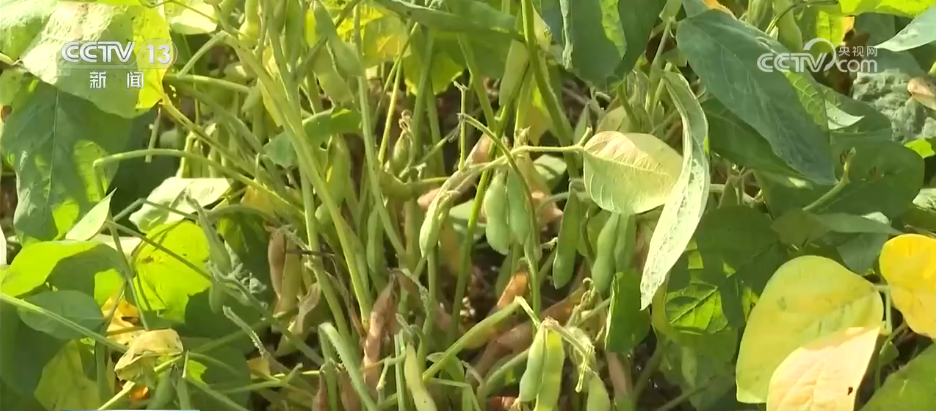

CCTV News: In 2024, a batch of "space seeds" carried by the Shijian-19 satellite will return to Earth, and some of the seeds landed at the Southern Breeding Base in Sanya, Hainan. Relying on Sanya’s unique photothermal resources and the scientific research advantages of southern breeding, these space mutagenized seeds have been bred for many generations. Now, offspring varieties with excellent traits are being screened out and entering the critical stage of breeding new varieties.
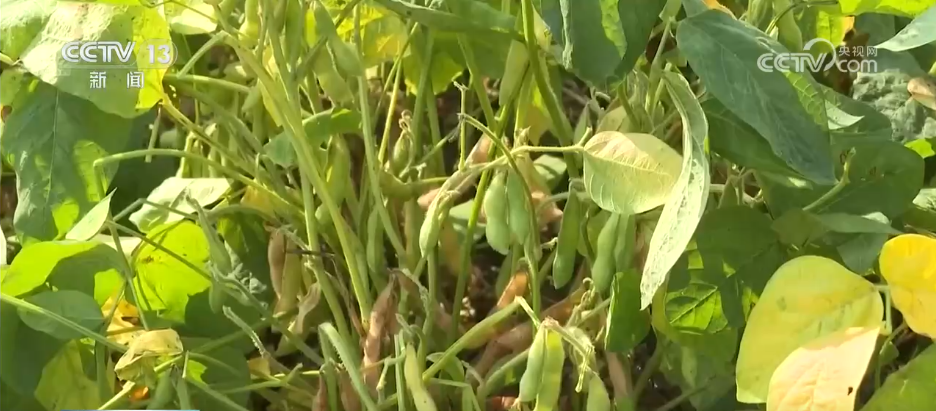
At the Biological Breeding Base of Yazhou Bay Science and Technology City in Sanya, Hainan, the "space soybeans" that have been grown for many seasons are significantly different from ordinary soybeans. Researchers said that the selected SP third generation (third generation in space) strain, next to its parental control, has higher plant height, more branches, and greater pod density, which shows that it has the potential to increase yield. During the SP generation (the first generation in space), we paid attention to its survival rate and germination rate; during the second generation SP (the second generation in space), we found that the number of branches of some individual plants increased significantly, so we marked these strains and conducted indoor breeding tests later.
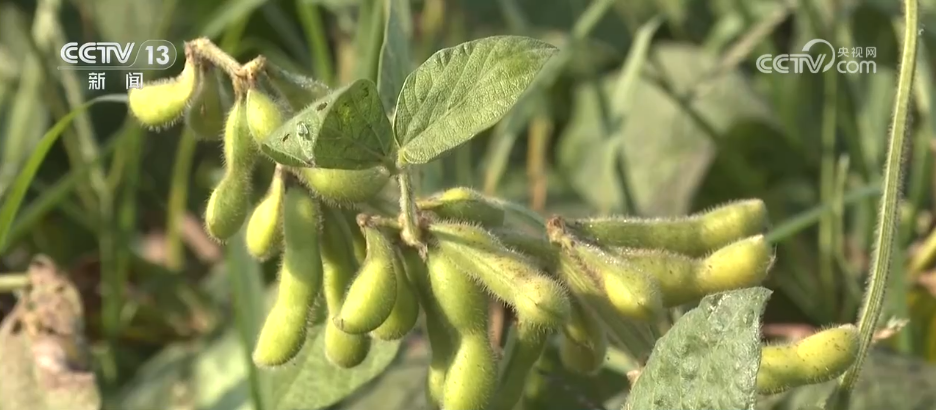
Scientific researchers said that in the short period of time traveling in space, seeds can produce mutations that are difficult to achieve on the ground, but the mutation direction is non-directional, so multiple generations of screening are needed to select excellent strains. At present, materials with excellent properties have been found in soybeans, corn, and rice. "Like soybeans, researchers have discovered materials with many branches and high yields. In corn, they have also discovered materials with dwarf stems. In rice, some individual offspring have been found to be able to withstand twice as much herbicide treatment. Conventional breeding of a variety takes 8 to 10 years, and if good traits can be found, the space breeding time is expected to be 3 to 5 years." Experts said.
It is expected that in May this year, this batch of materials will be moved to the northern planting area for further identification and evaluation, laying the foundation for large-scale production.