CCTV News: According to the plan, the Shenzhou 19 astronaut crew will return to the Dongfeng landing site on April 29. On April 25, the landing site organized all search and rescue forces to carry out the last comprehensive drill for the entire system, ready to welcome the astronauts home.
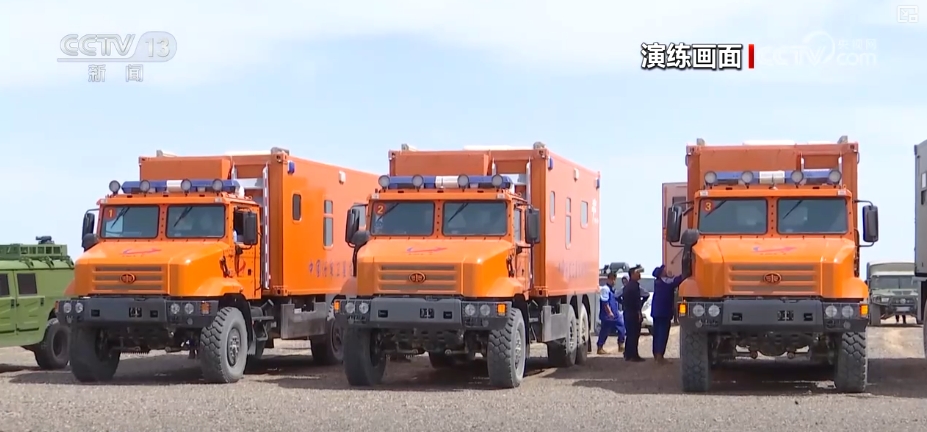
At around 10:00 on April 25, nearly 100 vehicles and equipment including ground search and rescue forces command vehicles, search vehicles, disposal vehicles, medical supervision and medical rescue vehicles gathered in multiple routes to the standby point. At 14:30, after receiving the Beijing Center notice that the return capsule landing point was marked as a bid, five helicopters of the air detachment landed accurately around the return capsule and carried out relevant disposal according to the procedures.
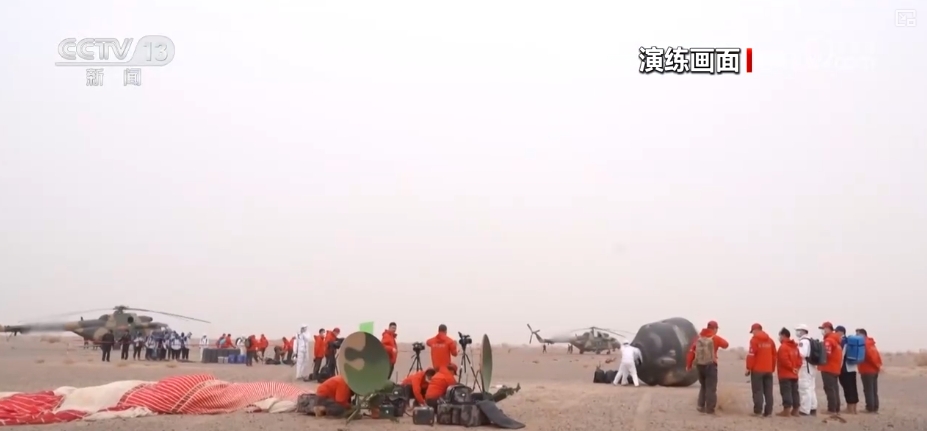
At 14:45, after the ground team arrived at the scene, they simulated opening the hatch door and carrying the astronauts out of the cabin... The search and rescue team members responded quickly and operated in detail, ensuring that the timing of leaving the cabin, out-of-cabin adaptation, transfer and escort work was rigorous and scientific, and foolproof.
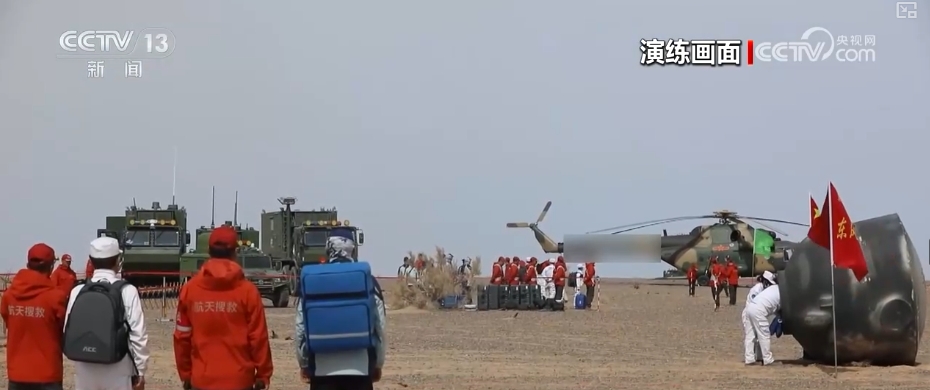
According to the plan, the Shenzhou 19 manned spacecraft will adopt a 5-rout fast return scheme, and go through several stages such as separation and evacuation, return braking, free gliding, re-entering the atmosphere, and landing on the parachute. The entire return landing process will take about 50 minutes. At present, all work in Dongfeng Landing Site is ready and is in place to carry out search and rescue missions. Racing against time and building the "first link" between heaven and earth
The Dongfeng Landing Site, which is about to return from Shenzhou 19, is an unmanned landing area of about 13,000 square kilometers, without network signal coverage. Satellite communication is the only communication method at the landing site. The search and rescue team at Jiuquan Satellite Launch Center has such a team that is responsible for the antenna assembly, the establishment of satellite links, the activation of images, voice services after the return capsule lands. They are satellite communication teams, paving a "information road" for mission command decisions.
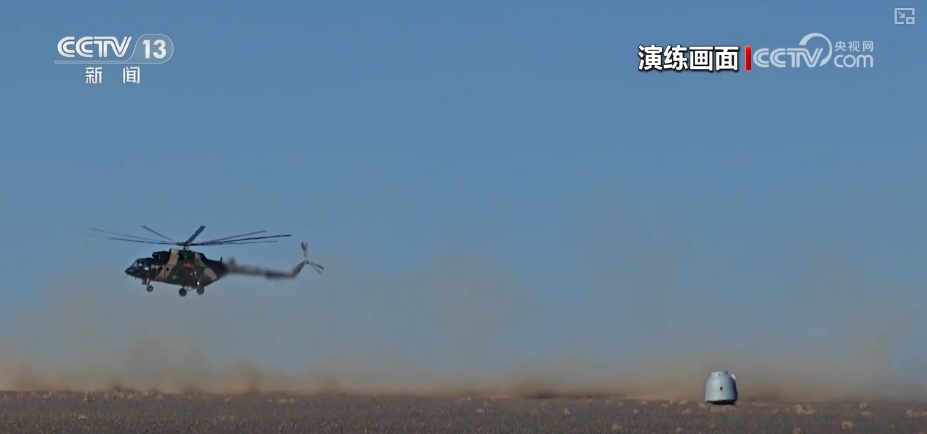
The ground satellite communications team responsible for the Shenzhou 19 search and recovery mission in the screen. Within the "golden ten minutes" after the return capsule landed, they had to use the portable sanitary communication equipment in their hands to transmit the on-site image back to the Beijing Command Center as soon as possible.
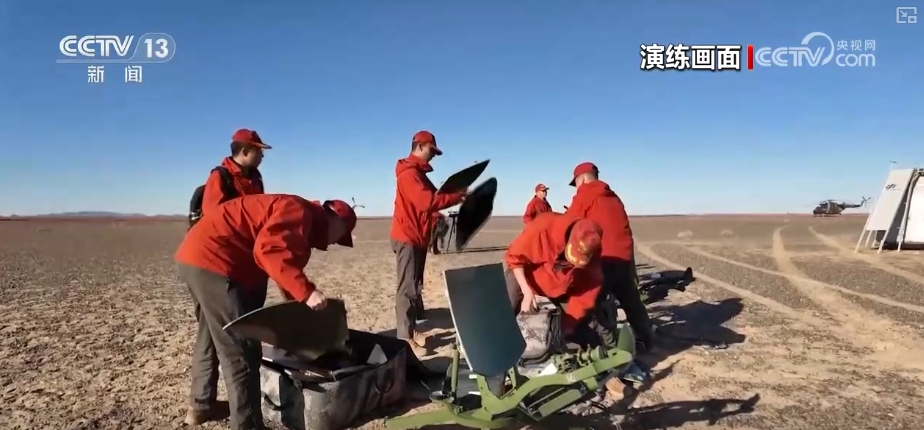
Long Kunming, Jiuquan Satellite Launch Center, introduced that the Dongfeng landing site is vast and sparsely populated, which is very suitable for spacecraft landing. But because most of them belong to unmanned areas, the basic conditions for communication are weak. They used the method of erecting sanitary equipment at the landing site to ensure that the image of astronauts returning home was transmitted to audiences across the country. At the same time, it also ensures that the dispatch of the front search and rescue team and mission center is continuous and stable, and the telephone is smooth.
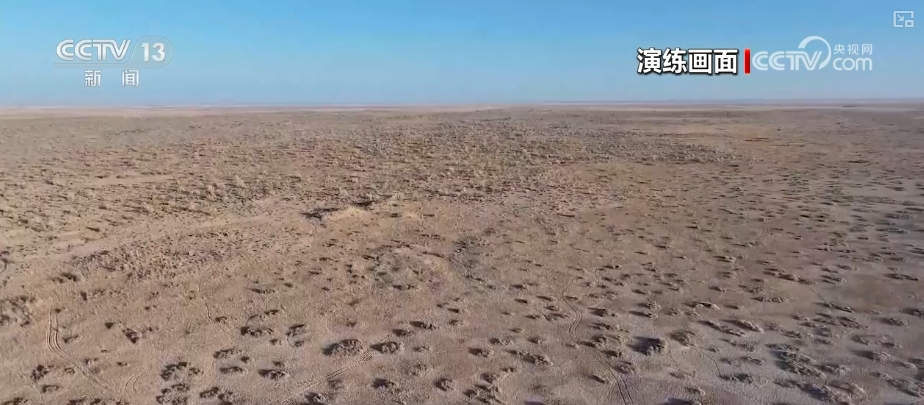
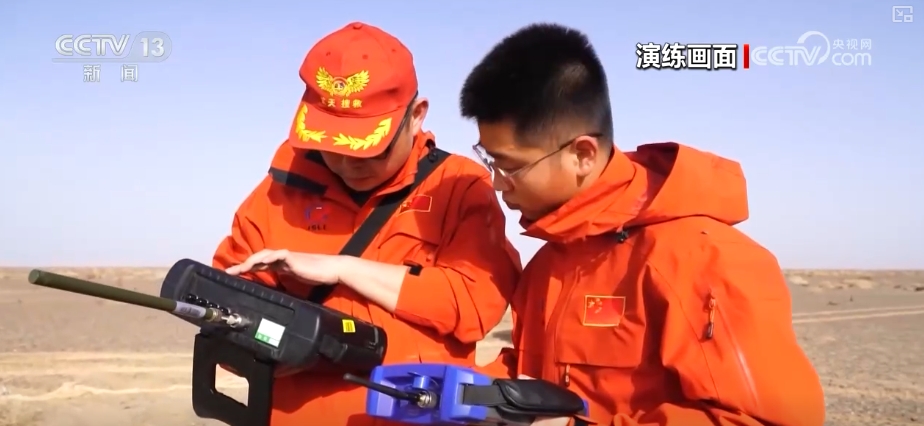
It is not easy to build an independent communication device in the Gobi Desert without network signal coverage. Although the equipment has the characteristics of rapid deployment, strong anti-interference ability and high transmission rate, the team members must not only choose the appropriate installation position according to the return capsule attitude, but also complete the assembly of integrated host, antenna, camera telephone and other auxiliary equipment in the shortest time. The last accurate relay is the escort of Shenzhou. The Shenzhou spacecraft returned home successfully, which is inseparable from the precise escort of the measurement and control system. At the Dongfeng landing site, the Dashuli Measurement and Control Zone of Jiuquan Satellite Launch Center is tracking the return capsule dynamics in the "multi-radar relay" mode. As the "last stick" for ground tracking, these "Gobi Sky Eyes" that once guaranteed the launch of the rocket will continuously lock the spacecraft with centimeter-level accuracy, paving a safe return for astronauts.
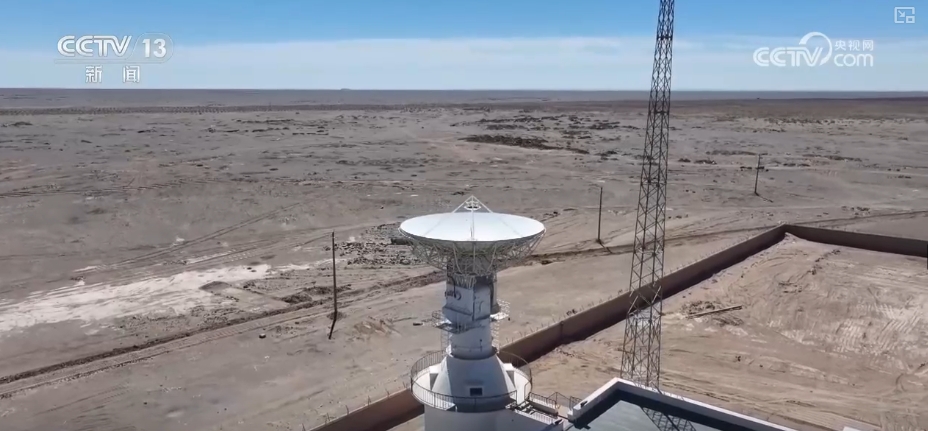
The familiar password "Radar tracking is normal" comes from the Dashuli Measurement and Control Area of Jiuquan Satellite Launch Center. As the last link in the spacecraft's return measurement and control chain, whether the return capsule can be accurately captured and positioned "as soon as possible" plays an important role in predicting the position of the return capsule's landing point.
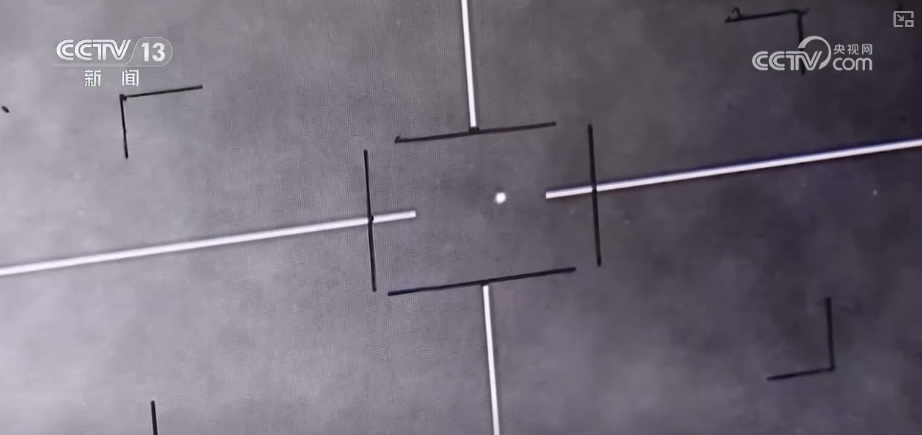
In order to be a good "guide" for the spacecraft, the technicians have upgraded the radar three times. Not only can the computing speed be increased to milliseconds, but the radar's own "super dynamic vision" can also track the real-time dynamics of the return capsule from reentering the atmosphere to opening the parachute, which is equivalent to seeing the swing of the hair clearly from a hundred meters away.
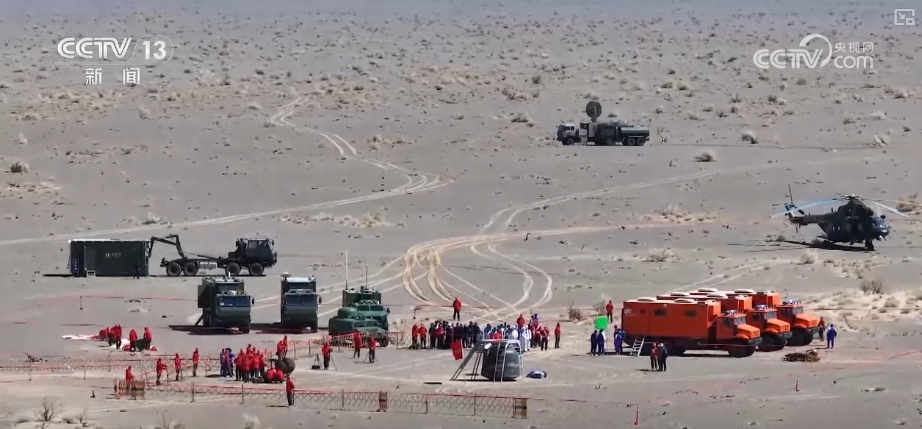
In addition to the "hard-core" equipment, the operators of the measurement and control team have also developed the unique skill of "steady hands and mind". Through simulation training and semi-physical drills, they can accurately capture the target within 1 second and quickly judge data abnormalities.
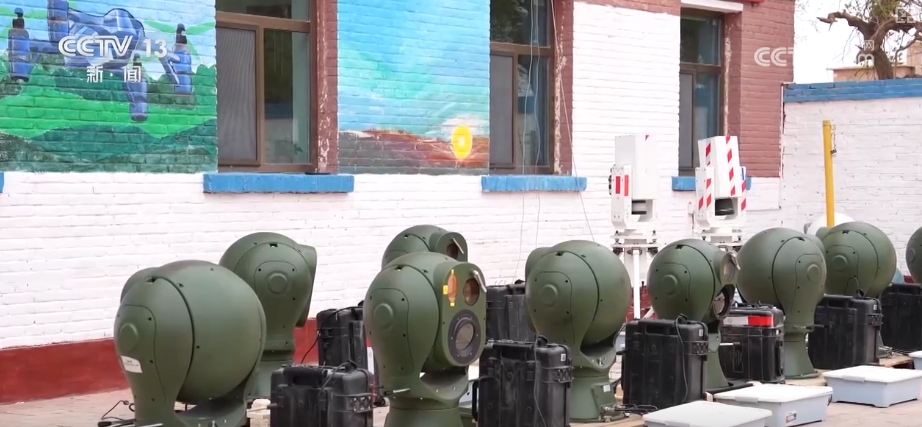
In addition to large radars, the landing area is also equipped with portable optical equipment. These "small men" can assist in shooting the return capsule in live conditions under visible conditions, providing first-hand image support for search and rescue team members at the moment of landing.