CCTV News: What new mission does the Shenzhou 20 crew have for this "space business trip"? The node cabin outlet will be re-enabled
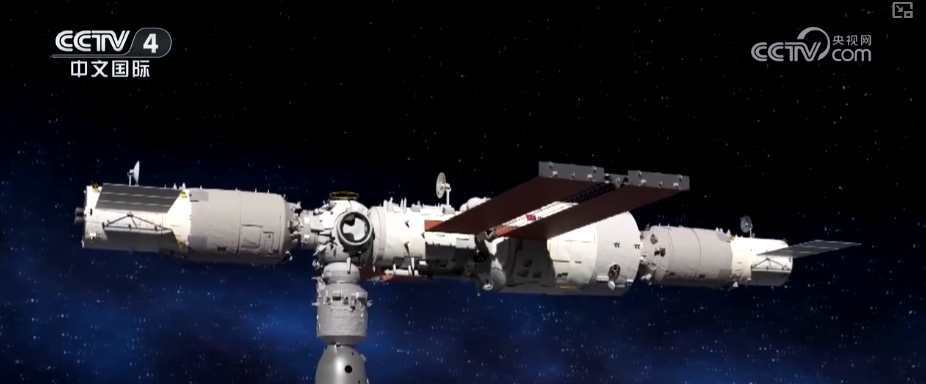
The node cabin is the life section of the astronaut. It is a backup of the airlock cabin and will not be easily activated. After the Node Cabins of Shenzhou No. 12 and Node Cabins were released from the cabin, no Node Cabins were released from the cabin. This time, after Shenzhou 20 settles in the space station, the node cabin outlet will be re-activated to facilitate the relevant work of this mission's extra-cabin activity. The experiments on exiting the cabin are launched for new experiments. The space vegetable garden is expected to be expanded.
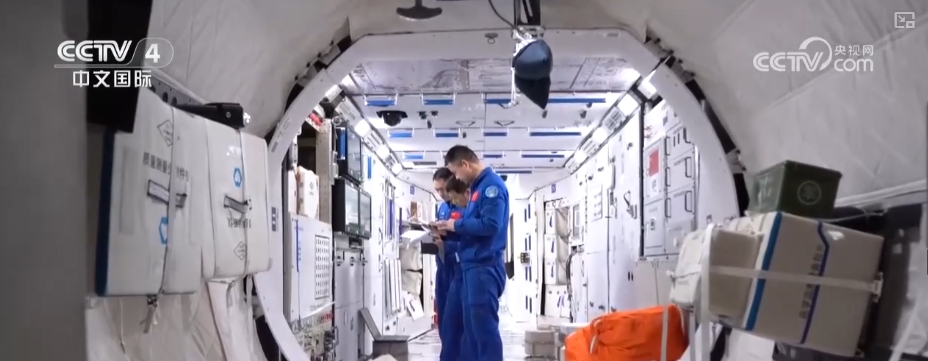
The upcoming departure activities of Shenzhou 20 include multiple tasks such as the installation of space debris protection devices and the transfer and installation of extra-cabin equipment. In addition, the three astronauts will also use the experimental cabinets in the space station cabin and out-of-cabin payloads to carry out a series of space science experiments and experiments, and the space vegetable garden is expected to be expanded.
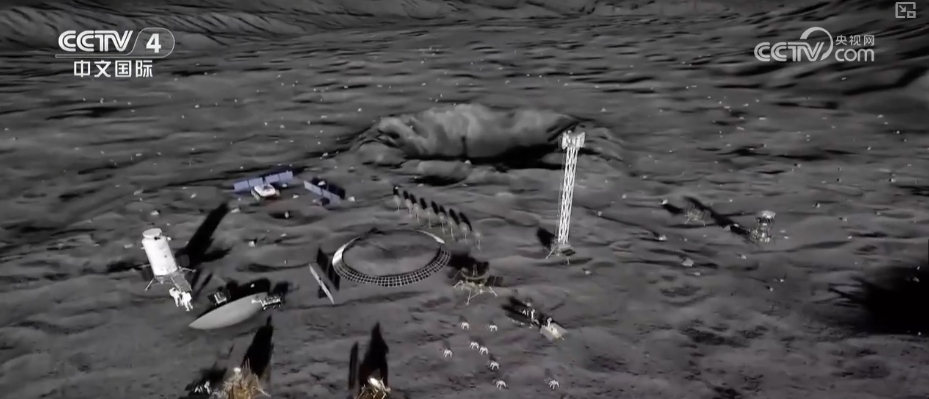
Astronaut Chen Dong introduced that this time they have put on a new module for growing vegetables, which will be more automated, and it is really possible to use our lunar base in the future. In addition to the newly added space vegetable garden, the crew revealed that the space station will also add another exercise equipment. Astronaut Chen Zhongrui introduced that there is another large item now, which can cover the entire core muscle group. This is a new type of equipment that relies on gas resistance to provide power, and this is a newly developed project. Three major space science experiments help to crack the code of life
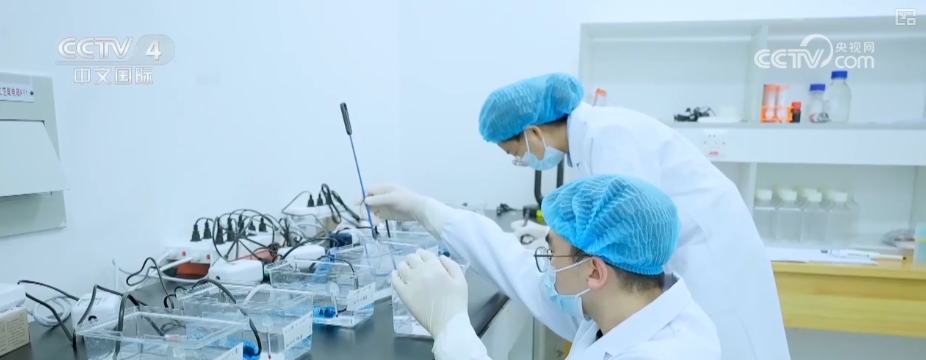
This time, three major space science experimental projects entered the Chinese space station with the Shenzhou 20 manned spacecraft, including "Exploration of the impact of space microgravity and radiation environment on planarian regeneration and mechanism of action", "Research on the homeostasis regulatory mechanism of gravity-free bone loss and myocardial remodeling" and "Research on the effect mechanism of space microgravity on microorganisms". The total number of relevant experimental samples and devices is about 28 kilograms, including experimental samples such as planarians, zebrafish, and streptomyces. These experiments will help Chinese scientists solve many mysteries in the field of space life sciences.