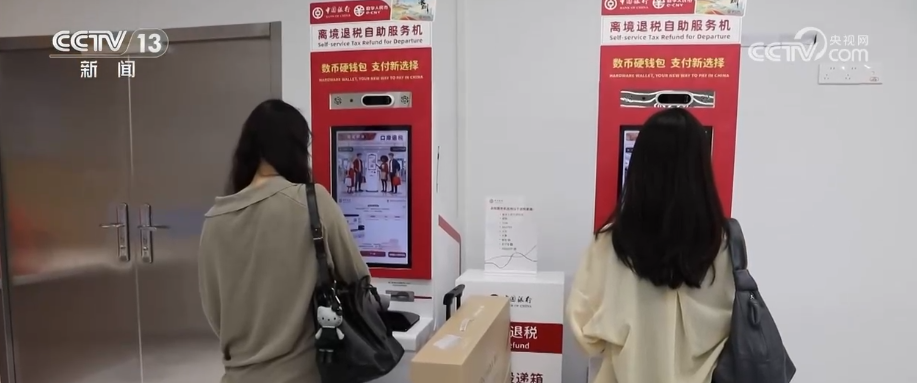
CCTV News: The United States has imposed tariffs indiscriminately, and foreign trade companies have suffered a relatively large impact. How do you break through the difficulties caused by a significant increase in tax amounts?
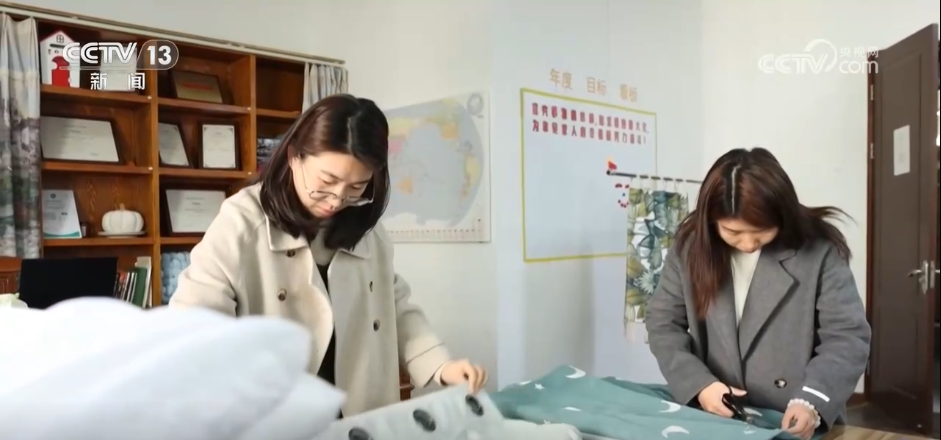
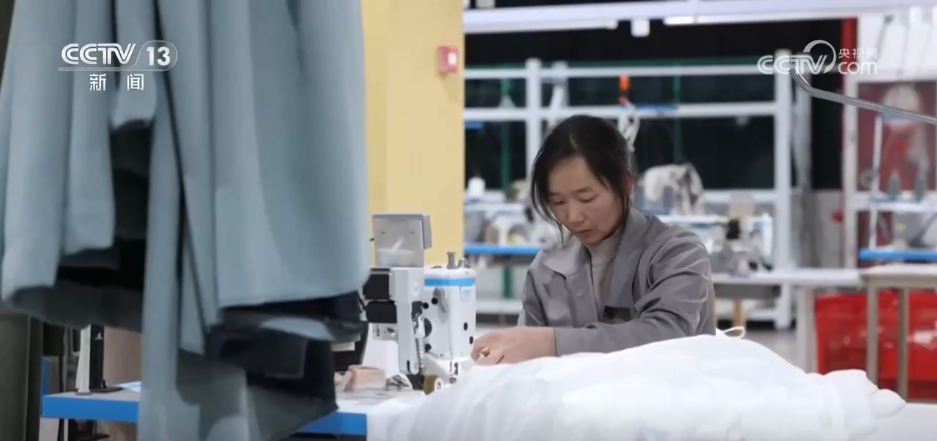
The workshop of this textile company located in Keqiao, Shaoxing, Zhejiang Province is producing fabrics ordered by American customers. Although the order was signed before the United States announced the increase of "reciprocal tariffs", the cumulative tariffs for curtain categories have exceeded 120%, and customers require that the price of orders that have not been shipped is reduced by another 10 percentage points. The head of corporate foreign trade said that adding new customers will fill this hole.
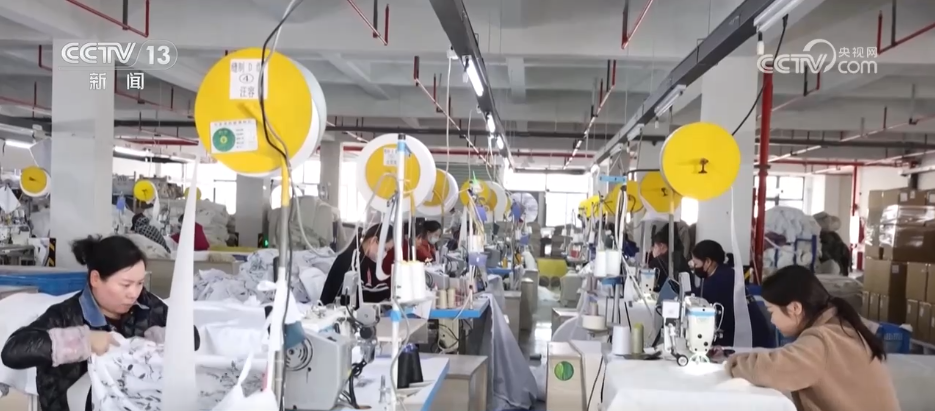
For the clothing and textile industry, which has already made a thin profit, some companies that have set up factories abroad have been greatly affected. The head of a textile company said that production costs will definitely rise, and the subsequent orders are unknown and there is great uncertainty.
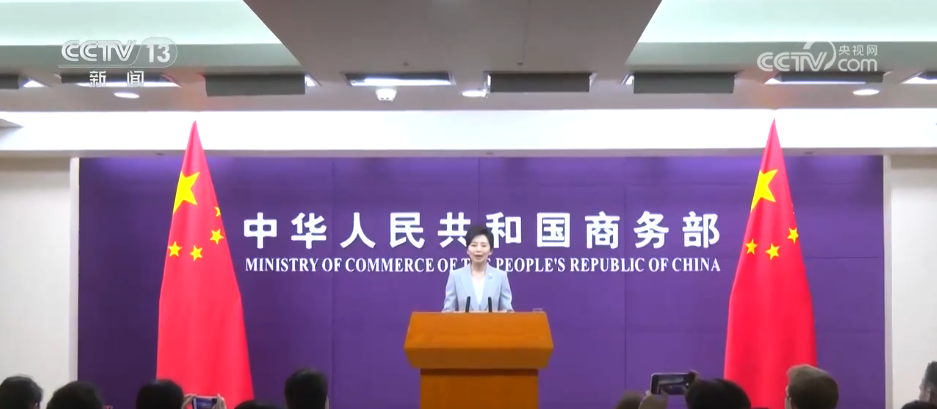
At the regular press conference of the Ministry of Commerce, the spokesperson said that it will continue to hold the "Foreign Trade Excellent Chinese Tour" event to build a platform for foreign trade enterprises to expand domestic sales, and increase assistance to foreign trade enterprises to expand domestic sales in terms of market access, channel development, finance, and service guarantee, and promote domestic and foreign trade channel docking, brand docking, production and sales docking, and standard docking. Spokesperson He Yongqian said that recently, the Ministry of Commerce has organized discussions on relevant business associations, large supermarkets and distribution companies to study better leverage their respective advantages and help foreign trade companies expand their domestic sales channels.
Many domestic supermarket companies have recently issued an open letter to China's high-quality supply chain, proposing to open a "green channel" for enterprises with blocked exports and backlogs to provide channel convenience, helping enterprises improve domestic market awareness and develop new products. He Yongqian also said that on April 13, the launching ceremony of the "Foreign Trade Excellent Chinese Tour" will also be held in Hainan. More domestic commercial and distribution enterprises are welcome to cooperate with foreign trade enterprises to better leverage the advantages of the super-large-scale domestic market and jointly respond to external shocks.
In a few days, the 137th Canton Fair will be held in Guangzhou on April 15. Exhibitors are actively preparing for exhibitions, striving to find business opportunities, expand markets, and grab orders.
A number of policy tools help enterprises cope with tariff shocks
What other policies will be introduced next to help enterprises cope with impacts? Let’s see the expert interpretation.
Zhang Bin, deputy director of the Institute of World Economics and Politics, Chinese Academy of Social Sciences, said that these policies can be roughly divided into three categories. The first type of policy can be called a policy that stabilizes total demand, which mainly includes some countercyclical policy tools, including our fiscal policy and monetary policy being more "powerful". Its starting point is to stabilize the macroeconomic market, stabilize the macroeconomic market and stabilize employment, so that even if some industries are impacted, they can still find some new opportunities in China. The second type of policies has some structural characteristics. Faced with the impact of tariffs, some companies may have to transform, or change their export destinations, or change their products and services, or even shift from the original external demand for services to domestic demand for services. Many adjustments need to be made at the enterprise level. The government will also cooperate with these companies to help these companies transform structurally. The third type of policy can be called relief policies. In this process, we must prepare for the future. Some companies may face greater pressure, and the government will also reach out to help them overcome the difficulties.