CCTV News: On April 10, the reporter learned from China Logistics Group Co., Ltd. that as the "national team" of comprehensive logistics, China Logistics is full of confidence in the long-term improvement of China's economy, firmly optimistic about the development prospects of China's capital market, and will continue to strengthen the resilience and security and stability of the industrial chain and supply chain, make every effort to ensure the smooth and efficient circulation of the national economy, and fully support its affiliated listed companies to actively conduct in-depth research and strengthen market value management through means such as increase holdings and repurchase, injecting stronger momentum into building a new development pattern and promoting the steady and long-term development of the capital market.
China's A-share listed companies actively speak out
The United States' implementation of the so-called "reciprocal tariff" policy has caused turmoil in the global trade landscape, which has brought challenges to the operations of many companies with global businesses. Against this background, many A-share listed companies have recently actively spoke out in public channels to explain the impact of this policy and announced a series of positive response measures.
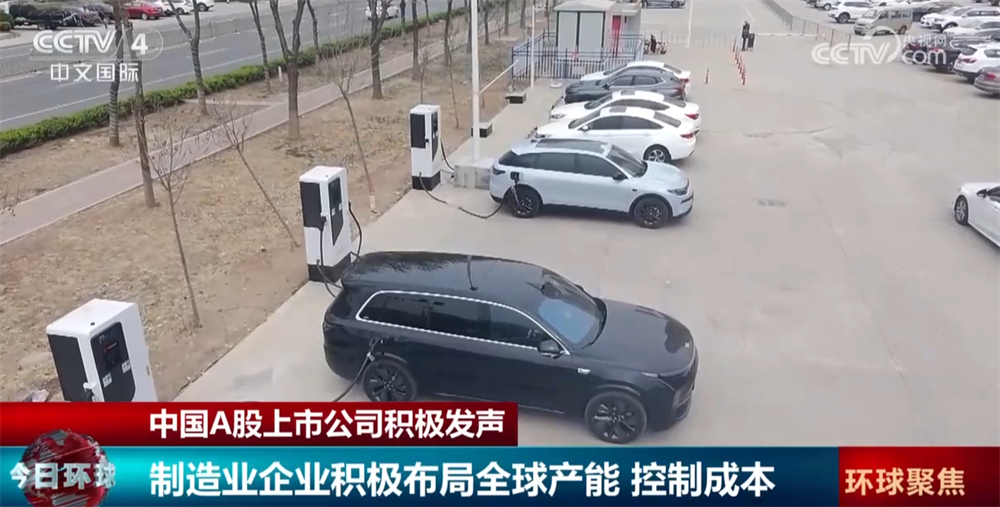
In response to the cost pressure brought by tariff policies to manufacturing enterprises' exports, some listed companies said they are accelerating their overseas production capacity layout. Some listed companies said that they have searched for manufacturing sites in some low-tariff countries or regions in advance and carried out relevant personnel reserves, and it is expected that manufacturing substitution in low-tariff areas can be achieved within one month. At the same time, the company has a complete layout in the European market and in the vast emerging markets such as the Asia-Pacific, the Middle East, and South America. Some companies have also stated that they will set up production bases in the United States and Vietnam, and gradually shift the sales market to Europe and India, using Southeast Asian bases to meet regional demand.
Some enterprises are using scientific foreign trade settlement methods to actively share the tariff burden. For example, the on-ship delivery price settlement model of the port of shipment is adopted, that is, the method of customers who bear the freight after the goods are shipped on board and clear the customs duties by themselves to alleviate the direct impact of their own business being subject to tariffs.
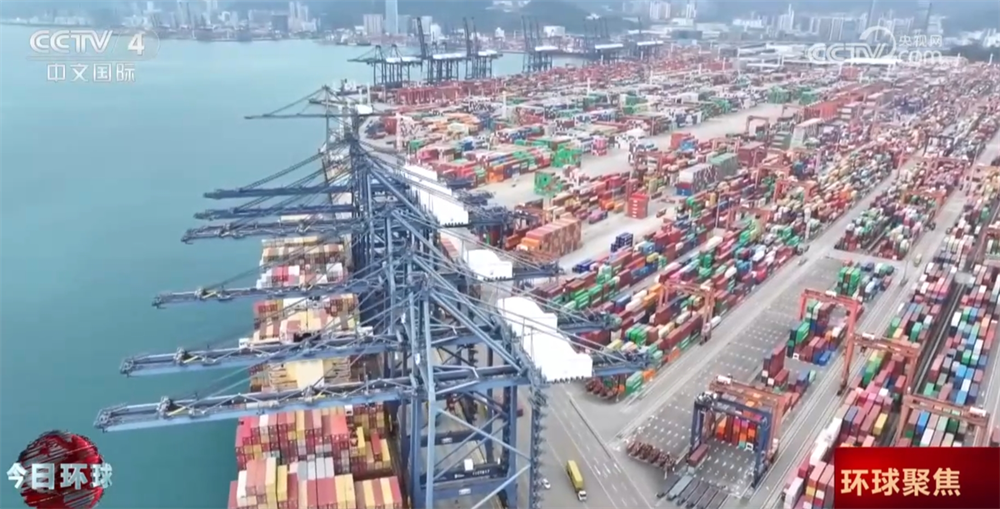
Wang Kai, chief strategy analyst at Guosen Securities, said: "In the long run, China's manufacturing industry's global supply chain status is difficult to replace. Coupled with policy support and technological innovation, it is expected to continue to maintain its global competitiveness in the complex trade environment and consolidate its global competitive advantage."
In recent years, China's A-share listed companies have continued to increase their R&D investment and made a series of breakthroughs. Many listed companies said they will continue to adhere to independent research and development, improve technological innovation and product competitiveness, and resist external risks.
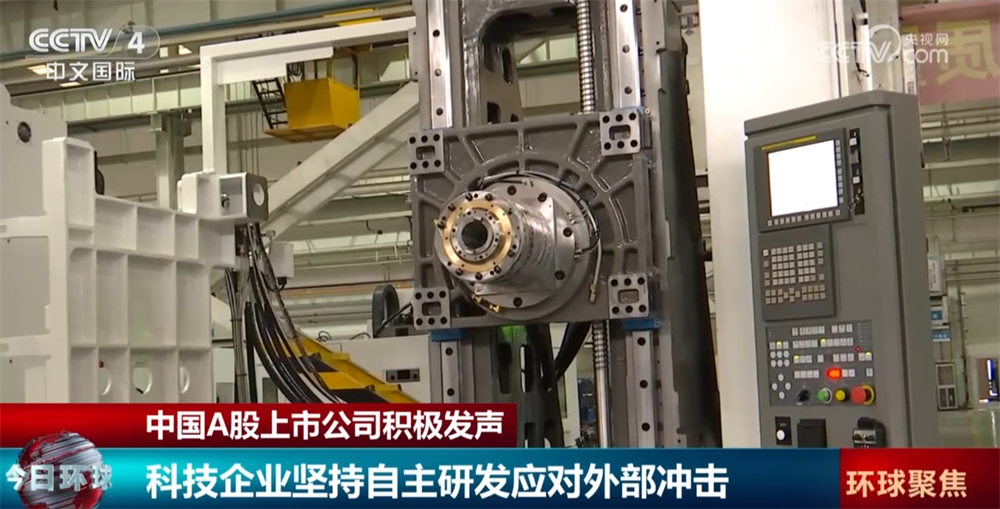
A listed company stated that its unique semiconductor laser light source has been continuously promoting the process of domestic device production and breakthroughs in upstream devices, and creating the core devices of the laser industry. Some CNC machinery companies said that the company has long insisted on independent research and development of key functional components, and has effectively avoided the risks of core component technology boredom through localization and localization of supply chains.
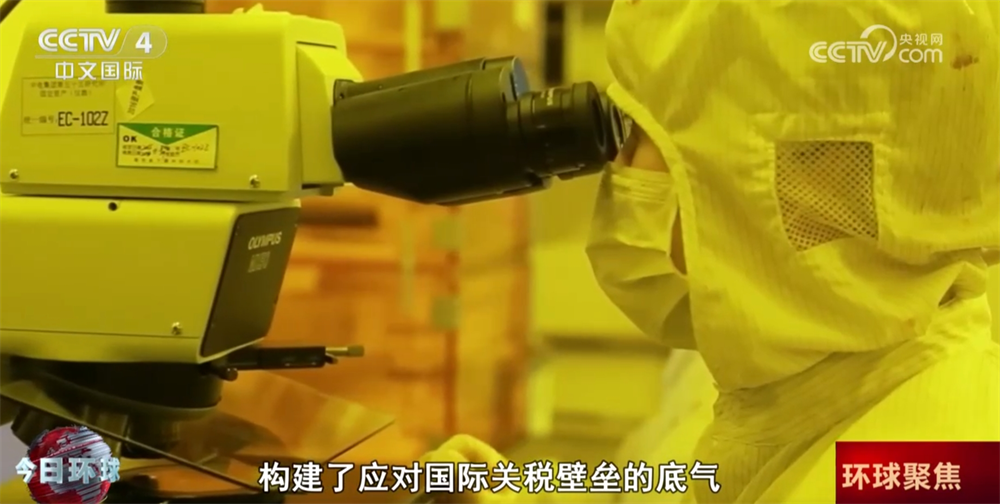
Yang Chao, chief strategy analyst at China Galaxy Securities, said: "Thanks to the long-term increase in R&D investment in A-share listed companies and insist on independent research and development, they have achieved a gradual break of technology monopoly in key areas. This has not only reduced our dependence on overseas technologies, but also responded to external risks with independent and controllable innovation capabilities and built the confidence to deal with international tariff barriers."
As many policies continue to encourage and promote consumption, China's consumer market continues to be active, and the trend of consumption upgrading has also brought new opportunities to related companies. At the same time, cross-border e-commerce companies actively avoid risks by relying on the technological empowerment of artificial intelligence and diversified market strategies. Some cross-border e-commerce companies said that they have been deeply engaged in cross-border social e-commerce for many years and have occupied a leading position in Asia and other regions. Some companies also said that relying on the advantages of the "Belt and Road" nodes, a global network covering multiple emerging markets has been built.
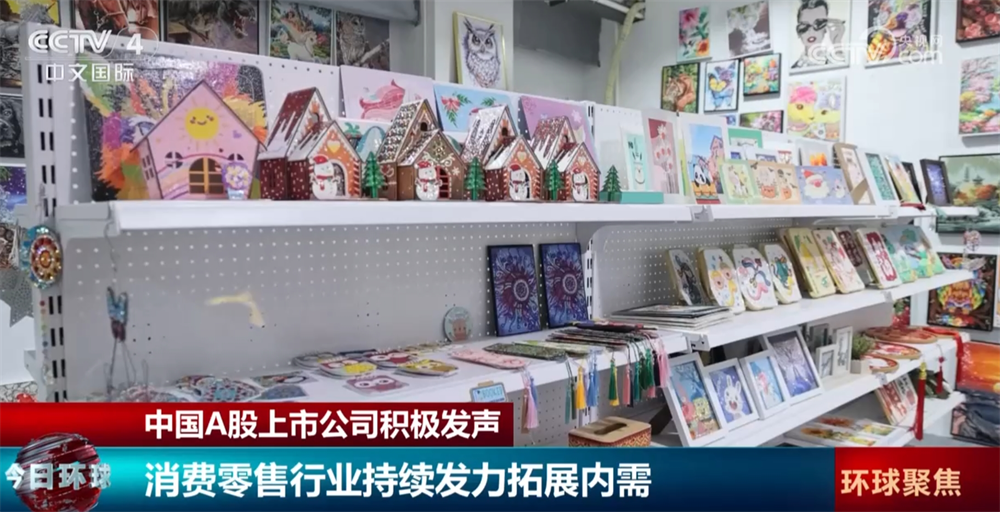
Tian Lihui, director of the Institute of Financial Development, Nankai University, said: "The huge domestic demand market provides enterprises with a growth 'safety mat', and we see companies gradually transforming tariff pressure into a driving force for the domestic market."