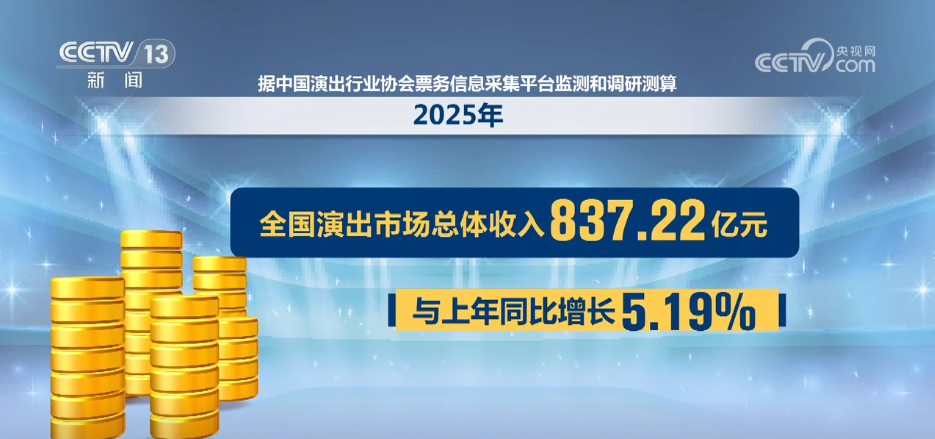
CCTV news: On March 20, economic data for the first two months were released in many fields, allowing us to perceive China’s economic vitality through data changes.
National fiscal revenue got off to a stable start in the first two months
Data released by the Ministry of Finance show that from January to February this year, national fiscal revenue was 4,415.4 billion yuan, a year-on-year increase of 0.7%, achieving a stable start.
In the first two months, national fiscal expenditures in key areas were well guaranteed
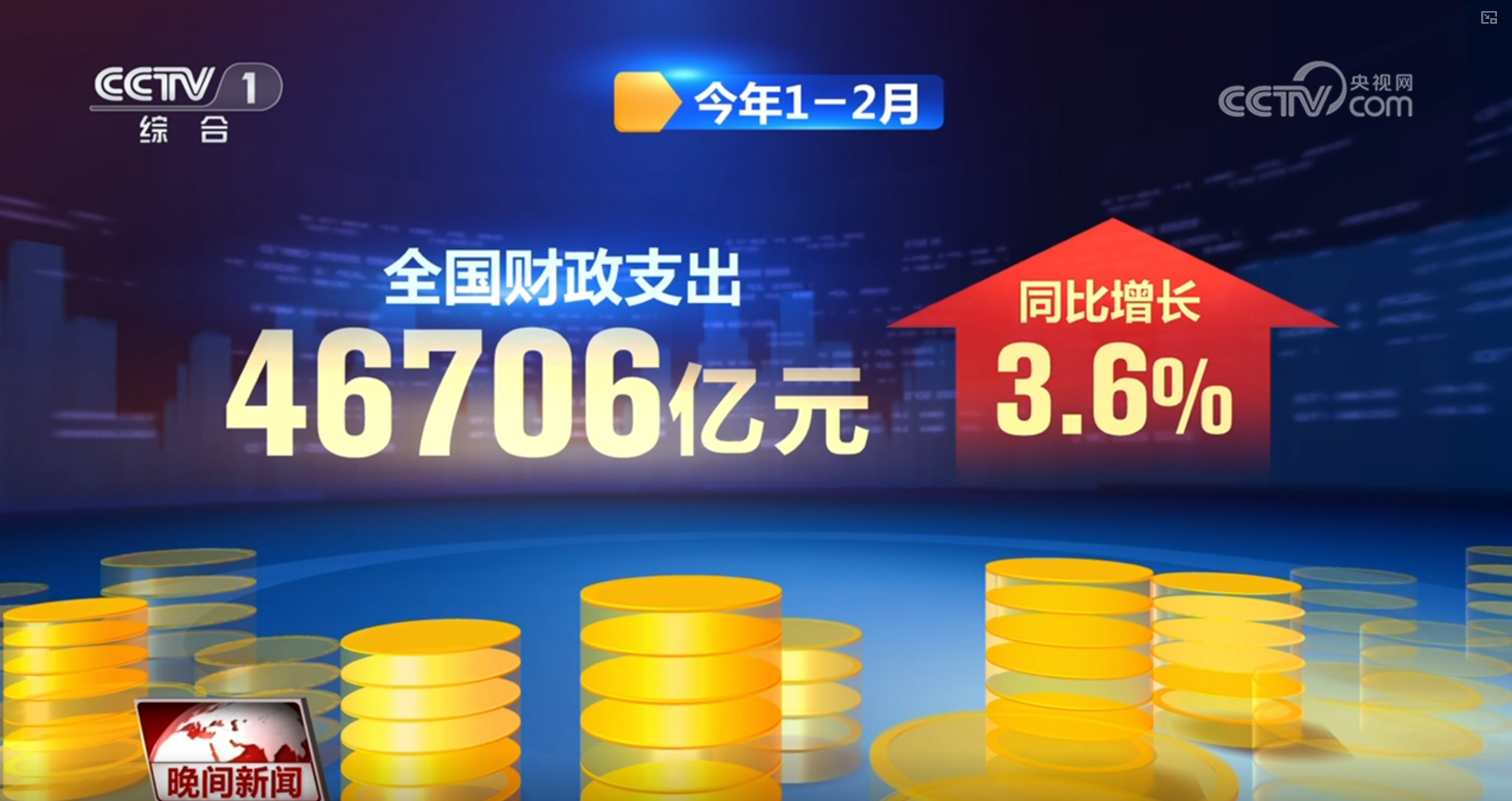
1—In February, national fiscal expenditures were 4,670.6 billion yuan, a year-on-year increase of 3.6%. National fiscal expenditures have been driven forward, expenditure progress has been reasonably accelerated, and key expenditures have been well protected. Among them, social security and employment expenditures increased by 8.6%, health expenditures increased by 17.3%, housing security expenditures increased by 9%, urban and rural community expenditures increased by 7.7%, and energy conservation and environmental protection expenditures increased by 5.4%.
my country’s postal industry delivered more than 33 billion items in the first two months
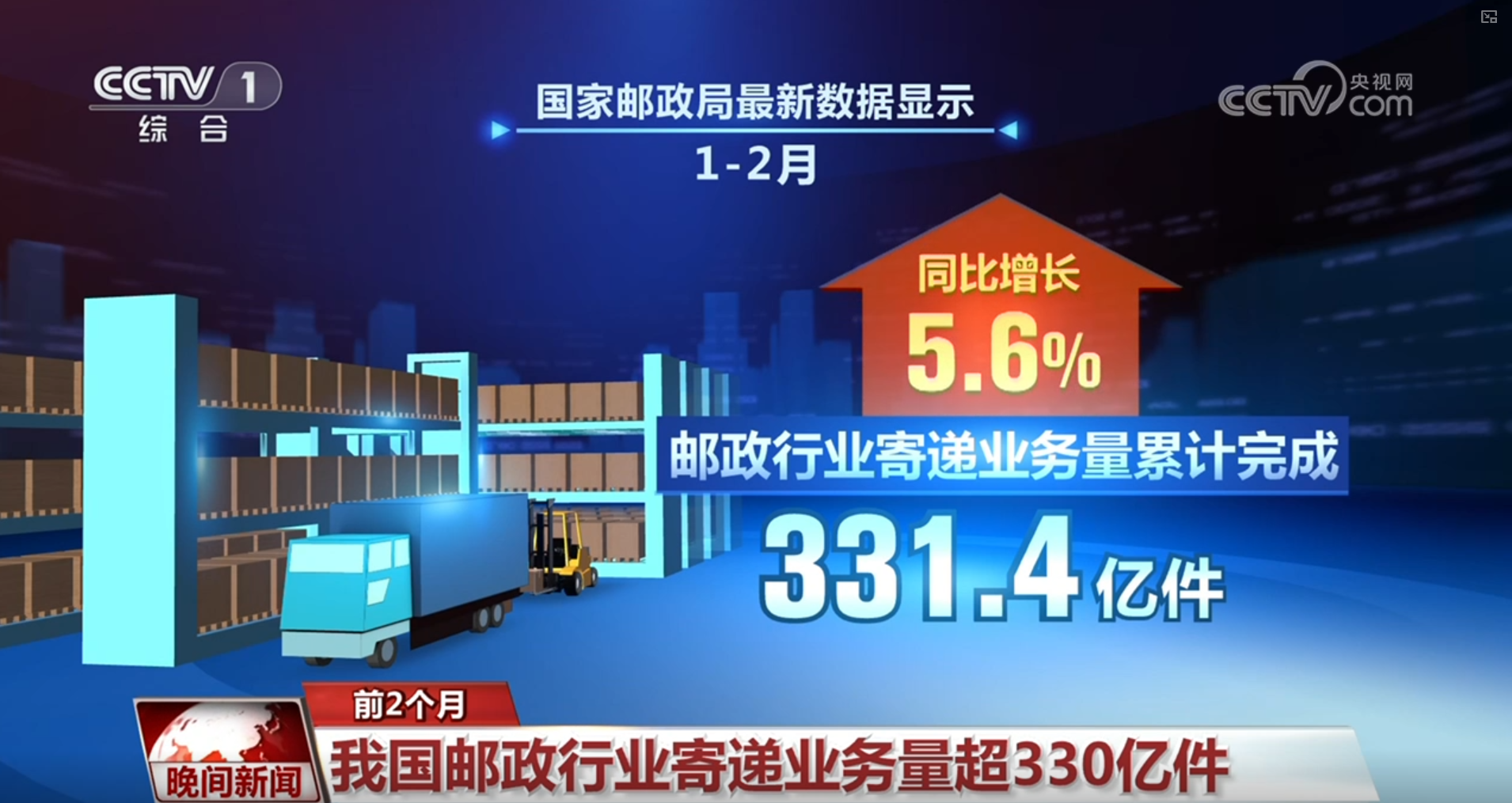
The latest data from the State Post Bureau shows that from January to February, the postal industry’s delivery business volume completed a total of 33.14 billion items, a year-on-year increase of 5.6%, and the industry market size is growing steadily. Among them, the express delivery business volume has completed 30.49 billion pieces, a year-on-year increase of 7.1%. In addition, as express delivery companies accelerate infrastructure construction and investment in smart equipment in the central and western regions, the proportion of express delivery business volume in the central and western regions increased by 1.7 percentage points and 1.5 percentage points respectively in the first two months.
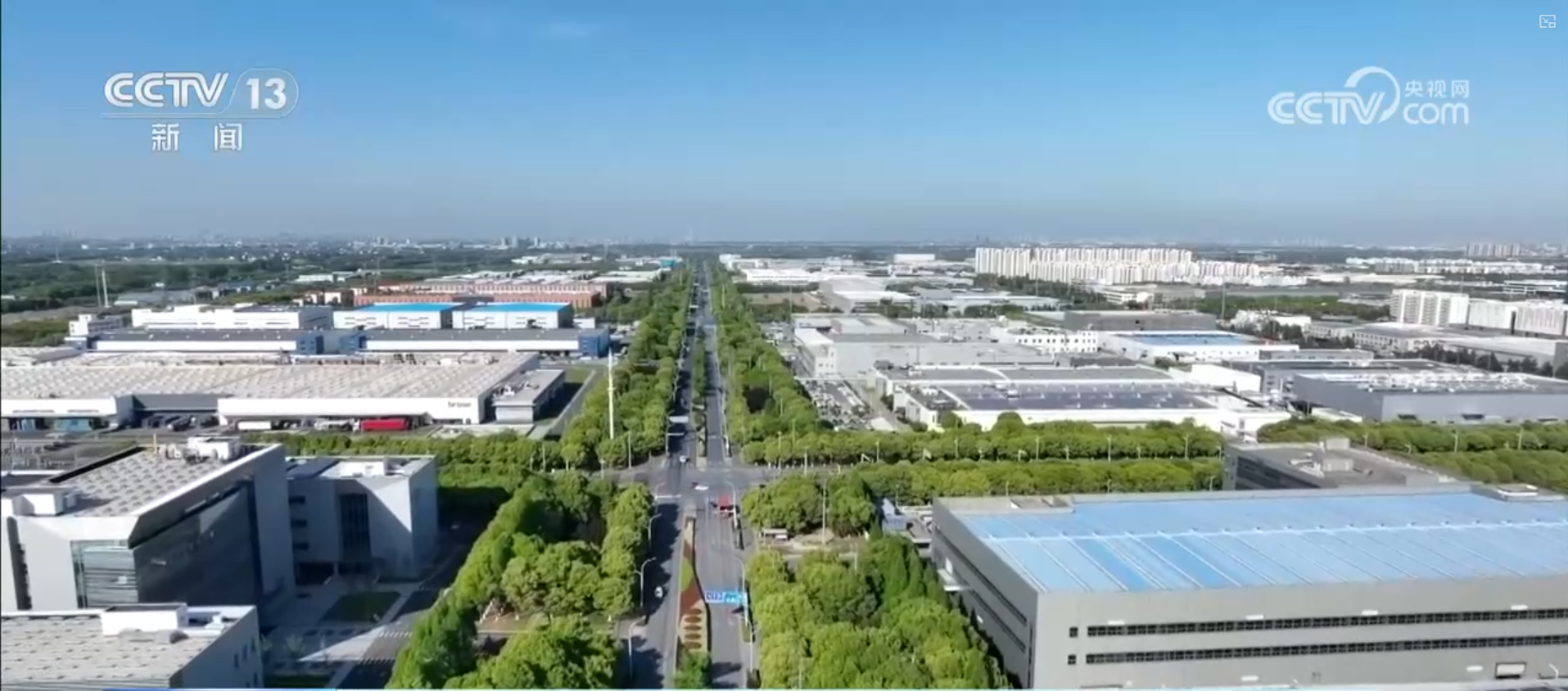
Shenzhen's import and export of goods trade exceeded 800 billion yuan in the first two months Scale hits new high
According to customs statistics, in the first two months of this year, Shenzhen’s total import and export value reached 824.23 billion yuan, a year-on-year increase of 37.3%, and the scale hit a record high for the same period in history. Shenzhen has also become the only city in the country with import and export exceeding 800 billion yuan, achieving a "good start" in foreign trade.
From January to February this year, the actual use of foreign capital in my country's high-tech industries increased by 20.4% year-on-year
The latest data from the Ministry of Commerce show that in the first two months of this year, the number of newly established foreign-funded enterprises in my country continued to grow, and the actual use of foreign capital in high-tech industries grew rapidly.
In January and February this year, 8,631 new foreign-invested enterprises were established across the country, a year-on-year increase of 14%, and the actual amount of foreign capital used was 161.45 billion yuan.
The actual use of foreign investment in the high-tech industry was 63.21 billion yuan, a year-on-year increase of 20.4%, accounting for 39.2% of the country's actual use of foreign investment, an increase of 8.5 percentage points from the same period last year. Among them, the actual use of foreign investment in R&D and design services, computer and office equipment manufacturing, and electronic and communication equipment manufacturing increased by 171.8%, 84.1%, and 35.5% respectively.
From the perspective of origin, the actual investment in China from Canada, Switzerland and France has grown rapidly.
New regulations are introduced to support and regulate the overseas lending business of domestic enterprises
The reporter learned from the People's Bank of China that in order to improve the level of capital account opening and meet the reasonable needs of enterprises for cross-border operating funds, the People's Bank of China and the State Administration of Foreign Exchange jointly issued the "Notice on Issuing the "Administrative Measures for Overseas Lending of Domestic Enterprises"" to further support and standardize the overseas lending business of domestic enterprises.
Incorporate overseas loans of domestic enterprises into macro-prudential management, clarify that the upper limit of overseas loan balances is linked to their owner's equity, and support enterprises to handle business within the upper limit of the balance. The macro-prudential adjustment coefficient for overseas loans of domestic enterprises will be raised from 0.5 to 0.6, and the upper limit of overseas loan balances will be raised overall. Clarify the management requirements and fund use requirements for domestic banks and domestic enterprises to handle overseas lending business to effectively prevent risks.