CCTV News: For vacations during holidays, museums are also popular destinations. The Chinese Archaeology Museum has updated some cultural relics and launched a series of new activities to invite audiences to go on a cultural journey across time and space.
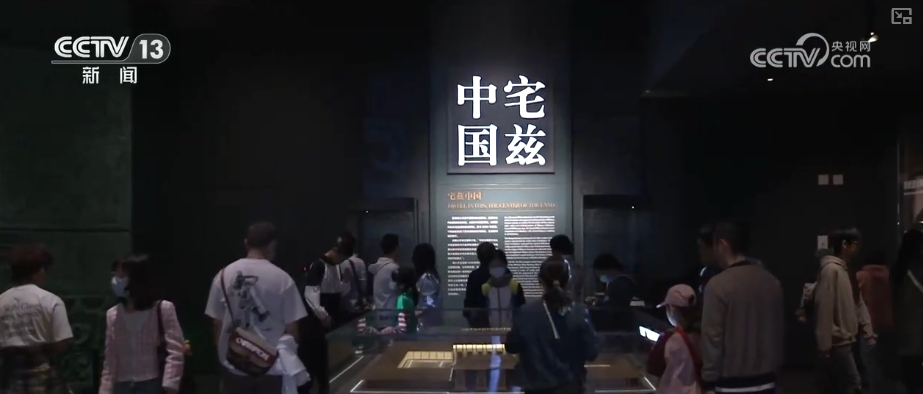
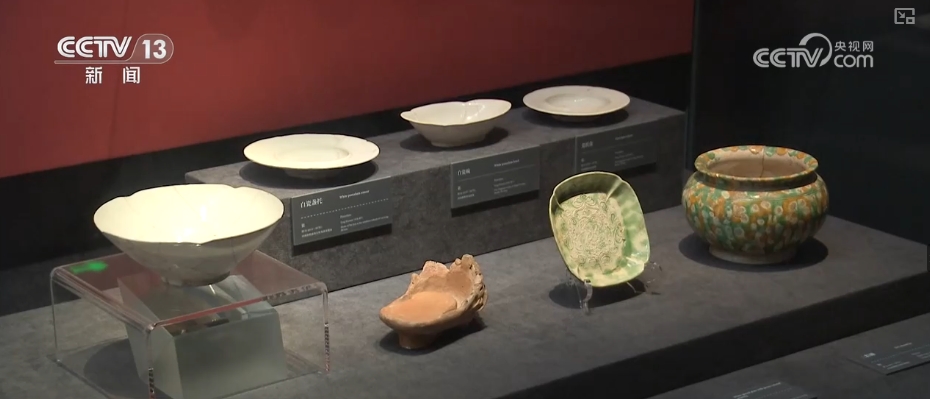
Two days before the May Day holiday, the China Archaeology Museum had reached its maximum audience carrying capacity, and 5,500 tickets were booked every day. Faced with the audience's enthusiasm for visiting, the Chinese Archaeology Museum launched a new batch of cultural relics in advance, covering categories such as pottery, porcelain, bronzes, etc.
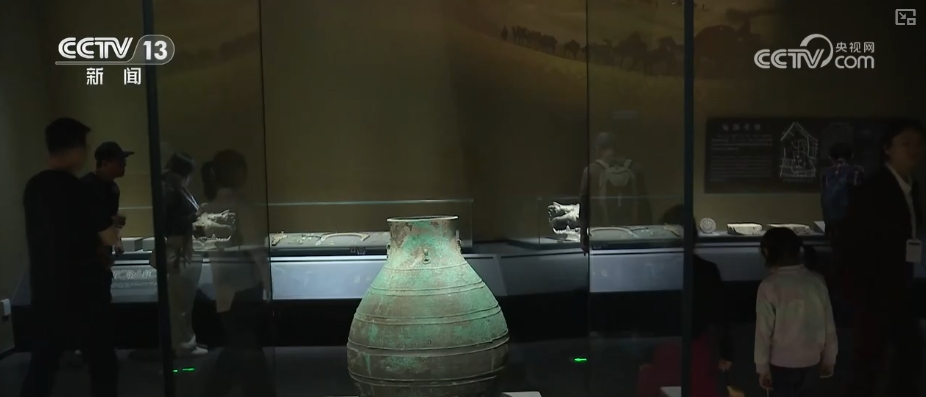
This bronze pot from the Western Han Dynasty was unearthed in the Yili River Valley, Xinjiang in 2007. This is the first discovery of such an artifact in the Yili area. Ancient craftsmen used string patterns to separate five partitions on its abdomen, and the interior was filled with fine cloud and thunder patterns. From the overall shape to the details of the pattern, they had a relatively obvious style of the Central Plains of the Han Dynasty, becoming a historical witness to the integration of ancient Chinese nations.
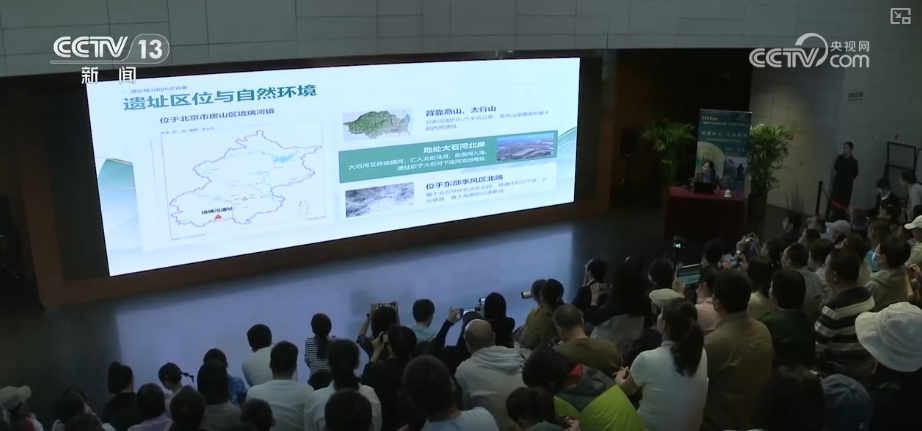
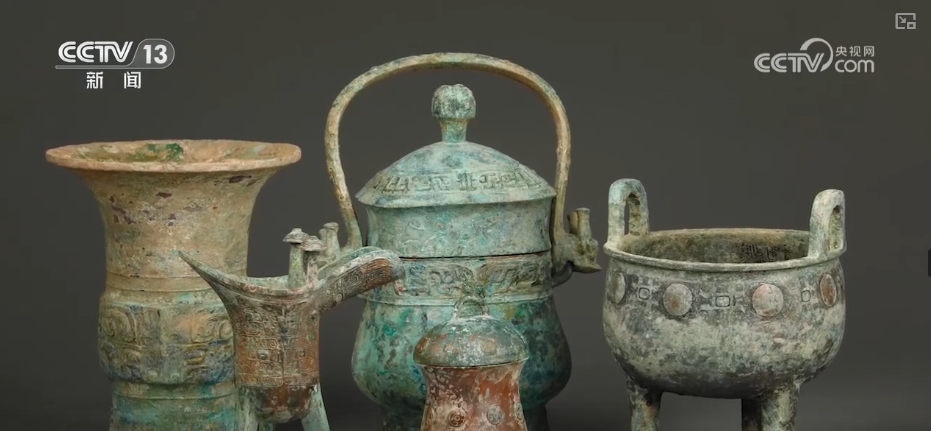
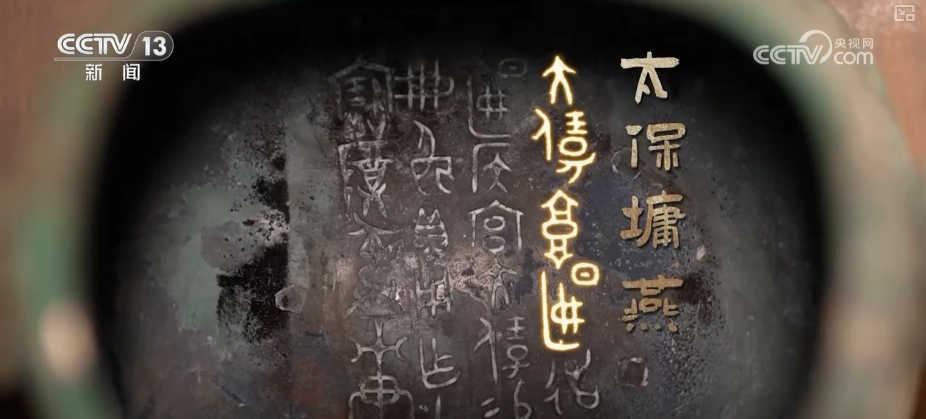
During the May Day holiday, the Chinese Archaeology Museum specially launched the "Top Ten Archaeological New Discoveries in the Country in 2024" series of activities to popularize the latest archaeological achievements to the audience. The first showcases the inscription "Taibao Yongyan" on the unearthed bronze ware. This is the earliest unearthed document in the history of Beijing's city construction, and the person who left this record is called Cehuan.
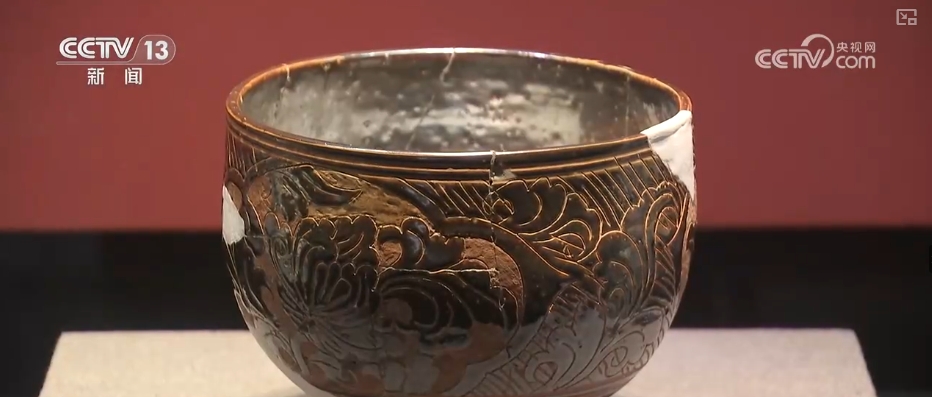
The China Archaeology Museum reminds that audiences can make an appointment 3 days in advance through the official channel of the China Archaeology Museum WeChat public account, and enter the museum to visit after real-name verification. More than 190 sets of enamel treasures were unveiled in the Ming and Qing dynasties
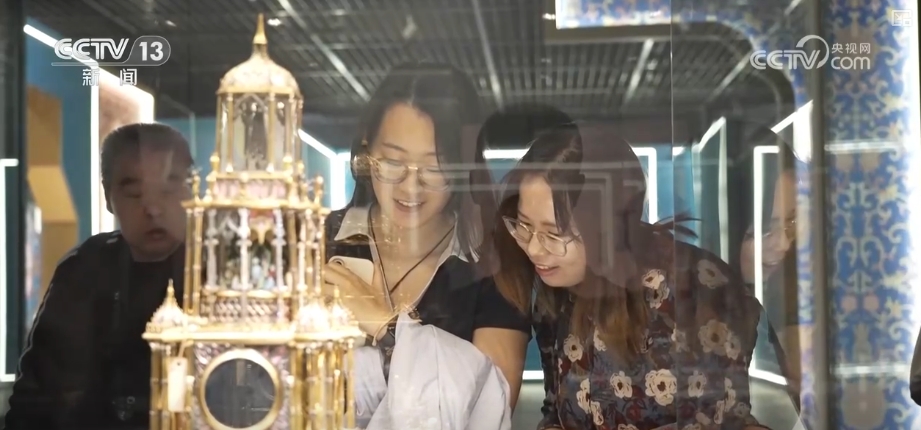
In addition to the museums in Beijing exhibiting new cultural relics and launching new activities, three museums in Hebei Province worked together to launch a fine enamel cultural relics exhibition at the Hebei Museum, and more than 190 sets of enamel treasures were unveiled in the Ming and Qing dynasties.
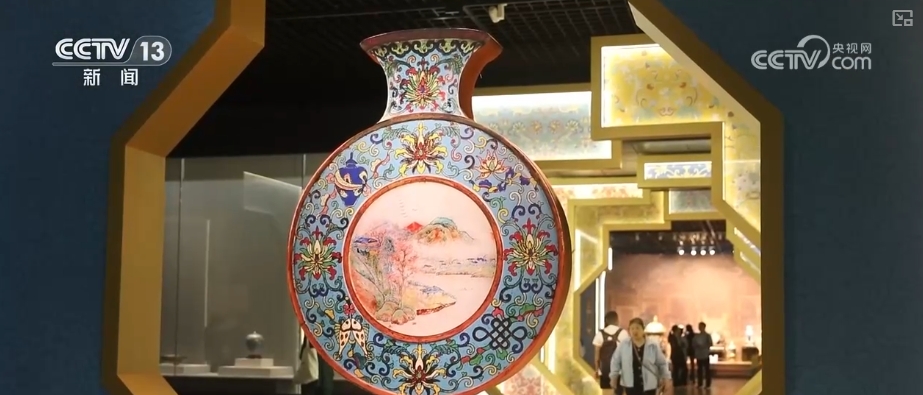
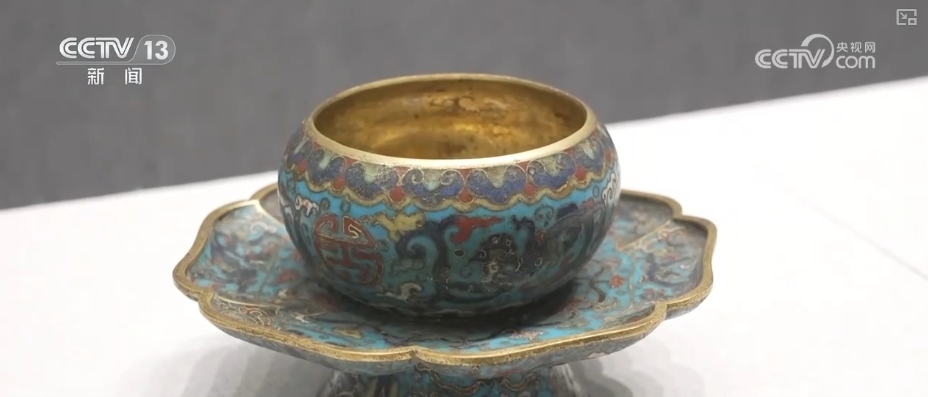
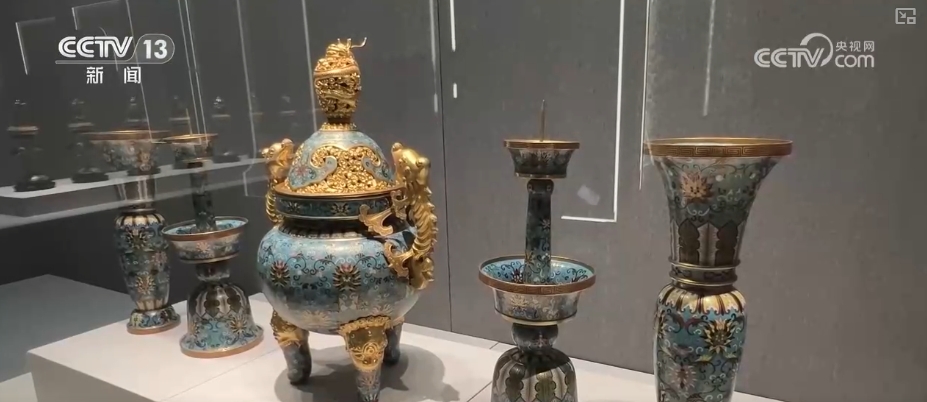
Enamelware is known for its solemn and elegant shape, complex and exquisite patterns and dazzling colors. After the continuous integration and innovation of the Ming and Qing dynasties, a unique oriental art style was formed. Especially during the Jingtai period of the Ming Dynasty, the enamel craftsmanship reached its peak, and the objects made with blue glaze were particularly outstanding, and "cloisonné" was named after it. The enamel decoration of the Qing Dynasty was more complex and ushered in another artistic peak.
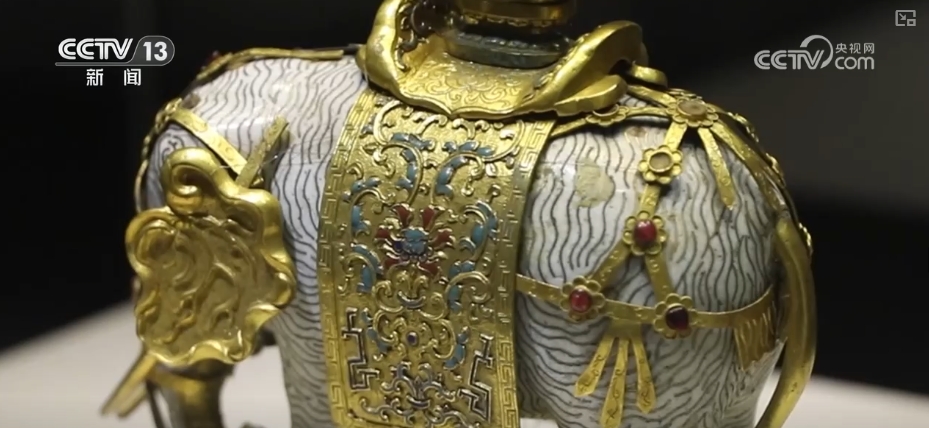
Among many exhibits, the Qing Dynasty "copper gilt enamel Taiping and Elephant" was particularly exquisite and beautiful. The elephant body is engraved with delicate patterns and garlands, and carrying a treasure vase on its back means "peace in the world".
According to reports, this exhibition lasts until the end of July, and the audience makes a free visit after entering the museum with real name.