In Malaysia, the Chinese eaves and Moore domes will be in conversation under the same sky. The richness of nasi lemak and the fragrance of Hainan chicken rice are mixed on the streets, and our ears will be mixed with Hakka, Malay, English, Cantonese... For thousands of years, the Chinese people who have traveled across the ocean have incorporated their homesickness into their daily lives and interpreted the integration and symbiosis of civilizations in the most lifelike way.
Kuala Lumpur Chen Academy
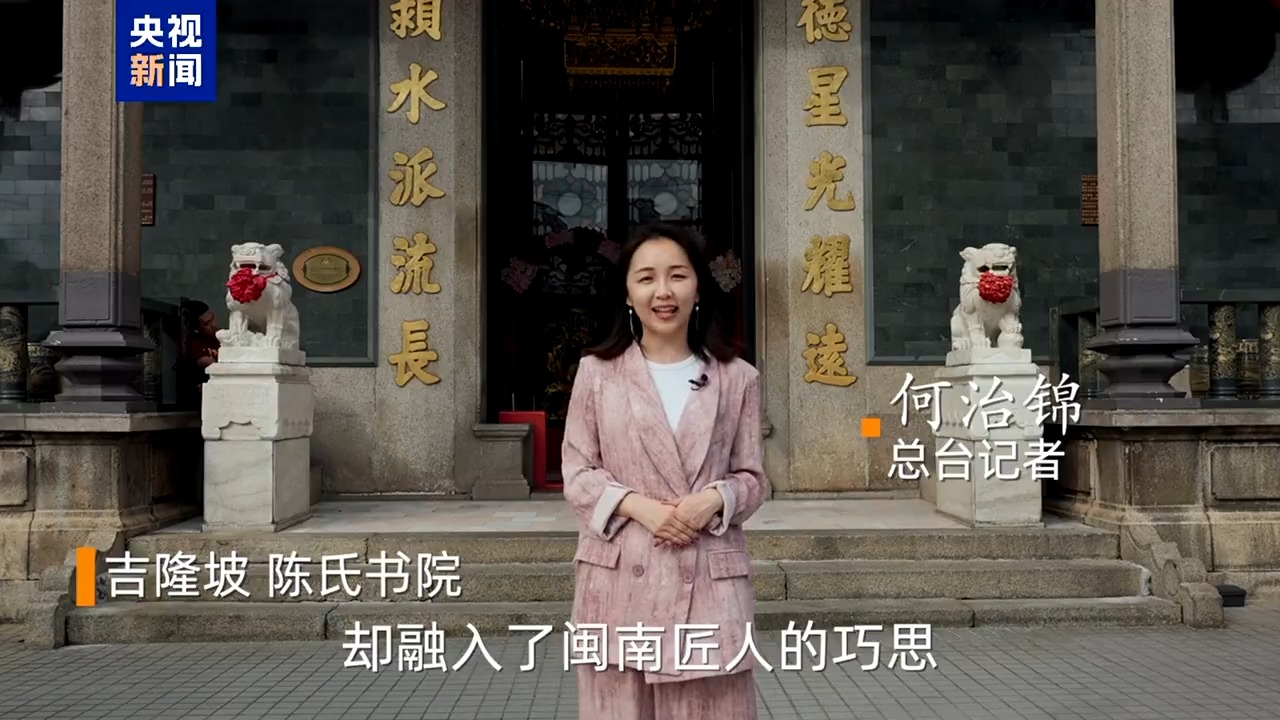
The Chen Academy in Kuala Lumpur is based on the Guangzhou Chen Family Ancestral Hall, but it incorporates the ingenuity of southern Fujian craftsmen.
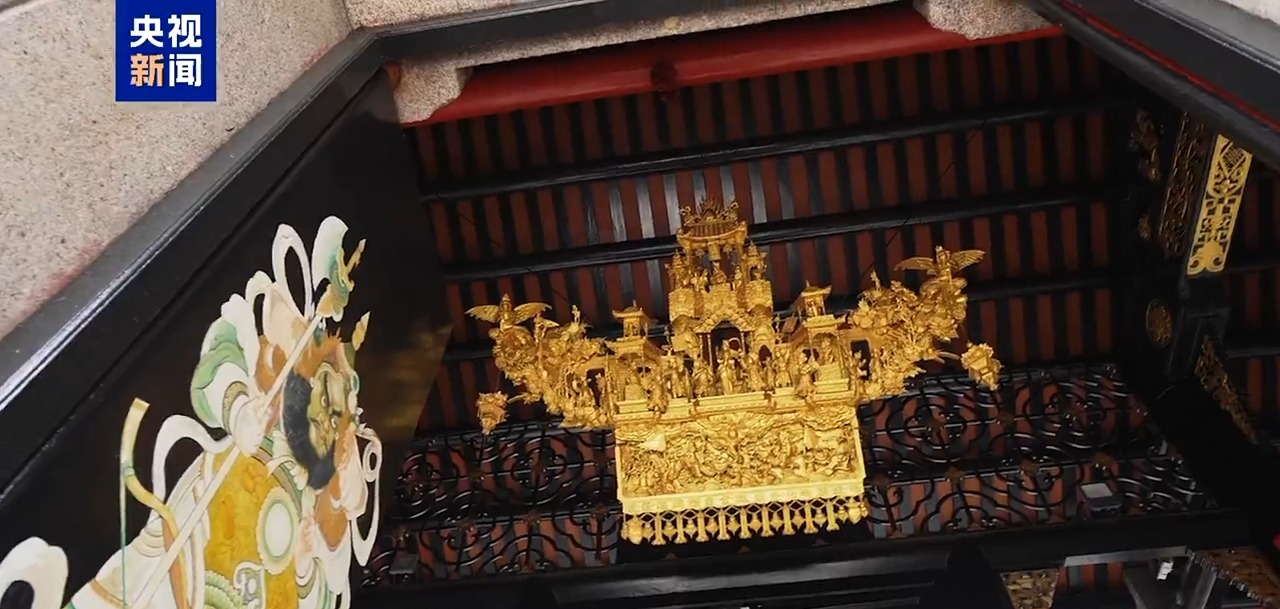
Gold lacquer wood carvings, painted door gods, and even the eaves of the roofs imply the freedom of the South China Sea. The characters in ancient Chinese historical dramas are eternally performing good shows in the form of porcelain sculptures and carvings.
Kuala Lumpur Museum of Islamic Art
In the Islamic Art Museum in Kuala Lumpur, Islamic civilization is carried by Chinese ceramic firing technology, and the seal stamps "made in the Xuande period of the Ming Dynasty" have become their unique identity code on the Maritime Silk Road.
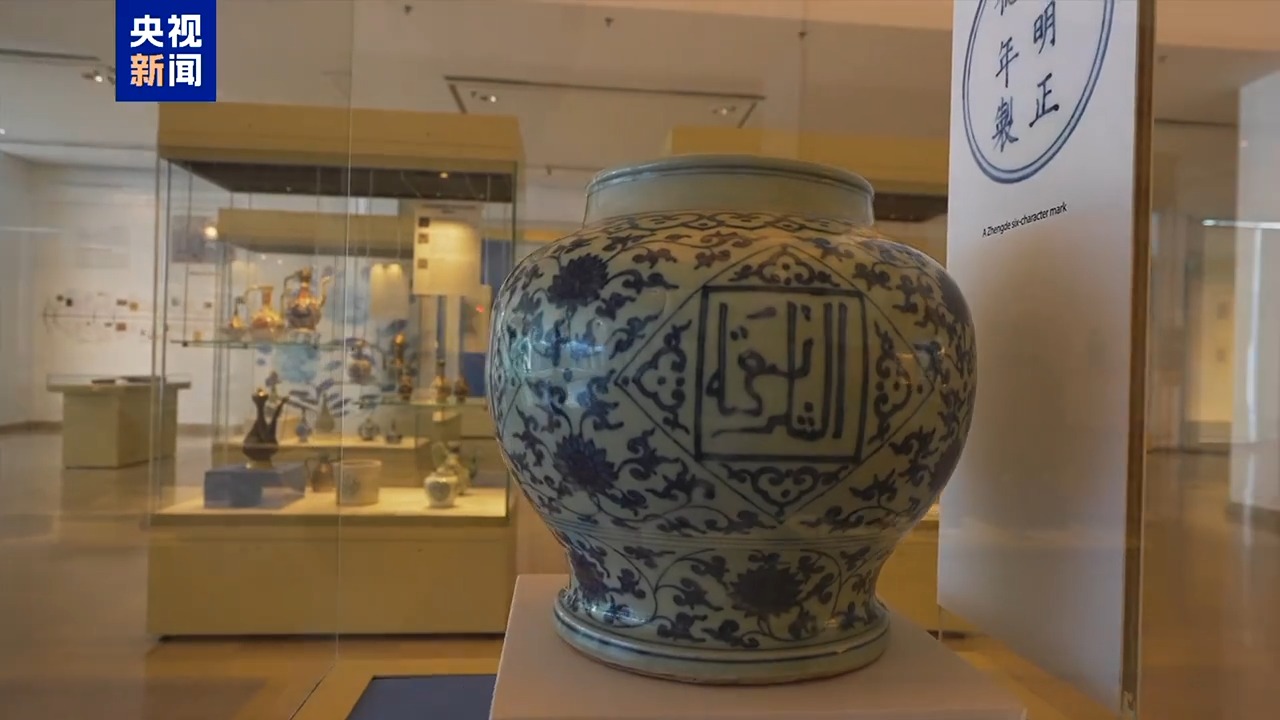
When Arabic letters were engraved on pink porcelain, colored porcelain, blue and white porcelain, these "customized Chinese" became the best choice among the upper nobles in Western Europe and Persia at that time.
Zheng He Cultural Center of Malacca
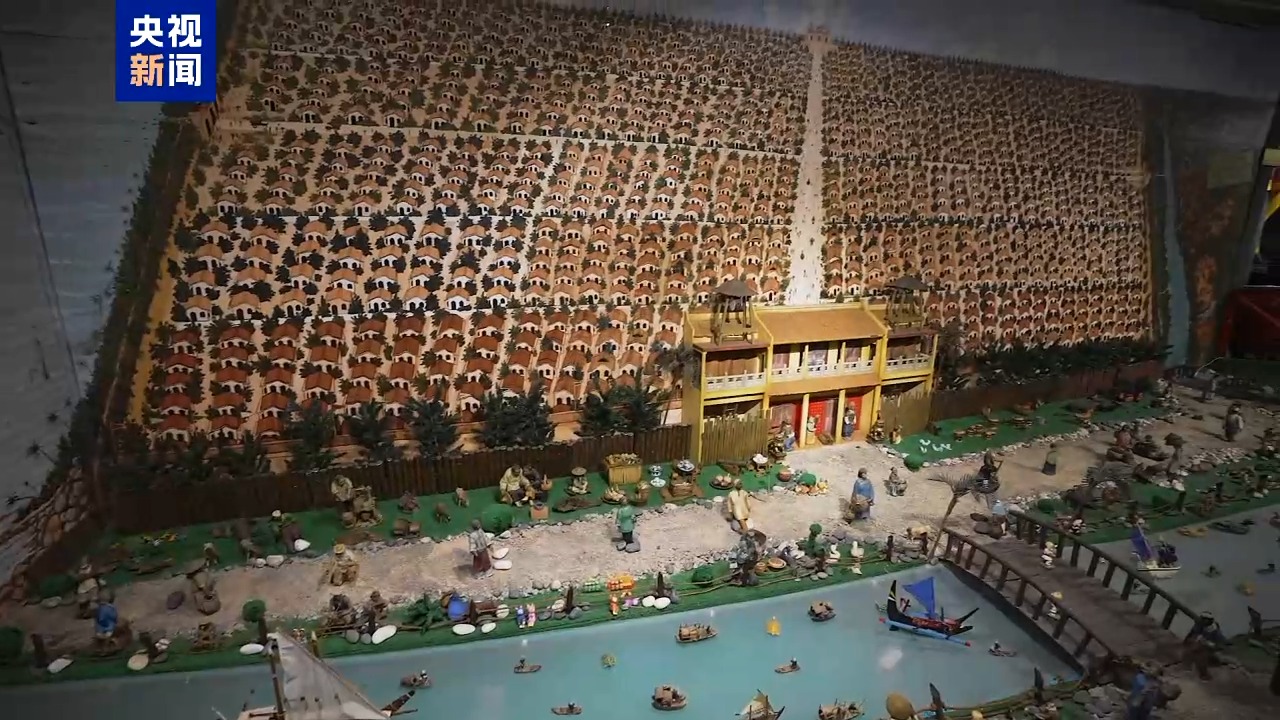
Civilization Zongheng Jingwei laid the foreshadowing more than a hundred years ago. The rusty anchor guided Zheng He's fleet 600 years ago to the Malay Peninsula. He not only brought silk and porcelain, but also stationed in Malacca for five times, setting up an official factory, and used it as a transit station for navigation, greatly promoting trade and cultural exchanges between the East and the West.
Baba Nyonya Culture
Since the 15th century, a large number of immigrants from Fujian, Guangdong, Hainan and other places in China intermarried with local Malay ethnic groups, and inherited intergenerational, forming a unique cross-cultural integration model - Baba Nyonya Culture. The offspring of men is called Baba and the female is called Nyonya.
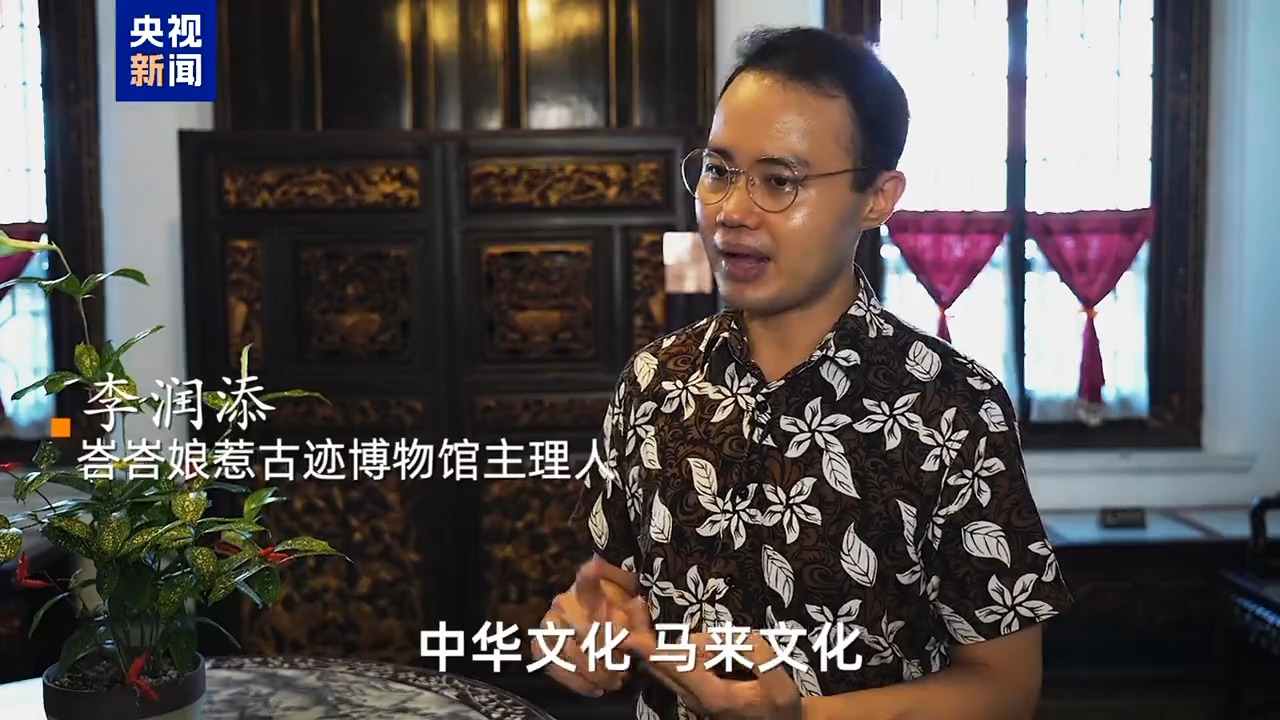
The manager of Baba Nyonya Monument Museum Li Runtian: The so-called Nyonya culture is actually the fusion of Chinese culture, Malay culture and Western culture. It seems like a chair from the West, but if you observe carefully, there is a faucet on the side of its hand holding, and there is a bead inside it.
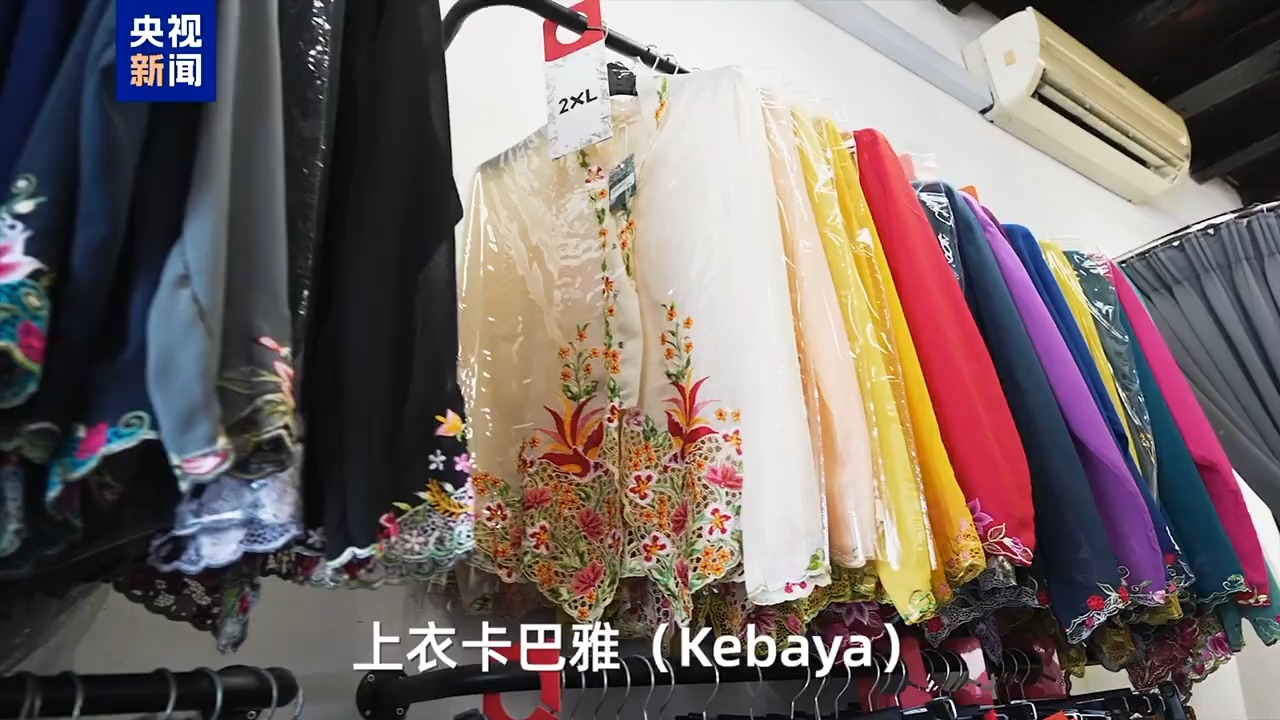
Nyonya clothing has bright colors and rich patterns. The top Kebaya is known for its fine Chinese embroidery, usually paired with Sarong bottoms made of handmade batik Batik fabric, blending a variety of elements from China, Malay and the West, demonstrating the unique cultural identity of the Nyonya community.
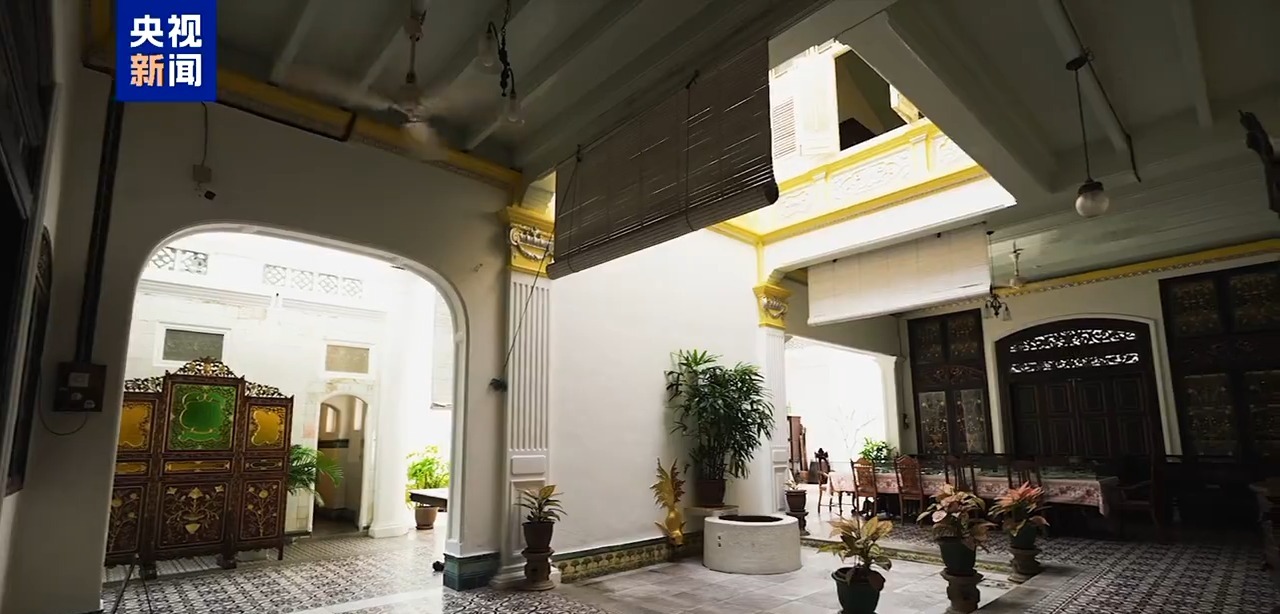
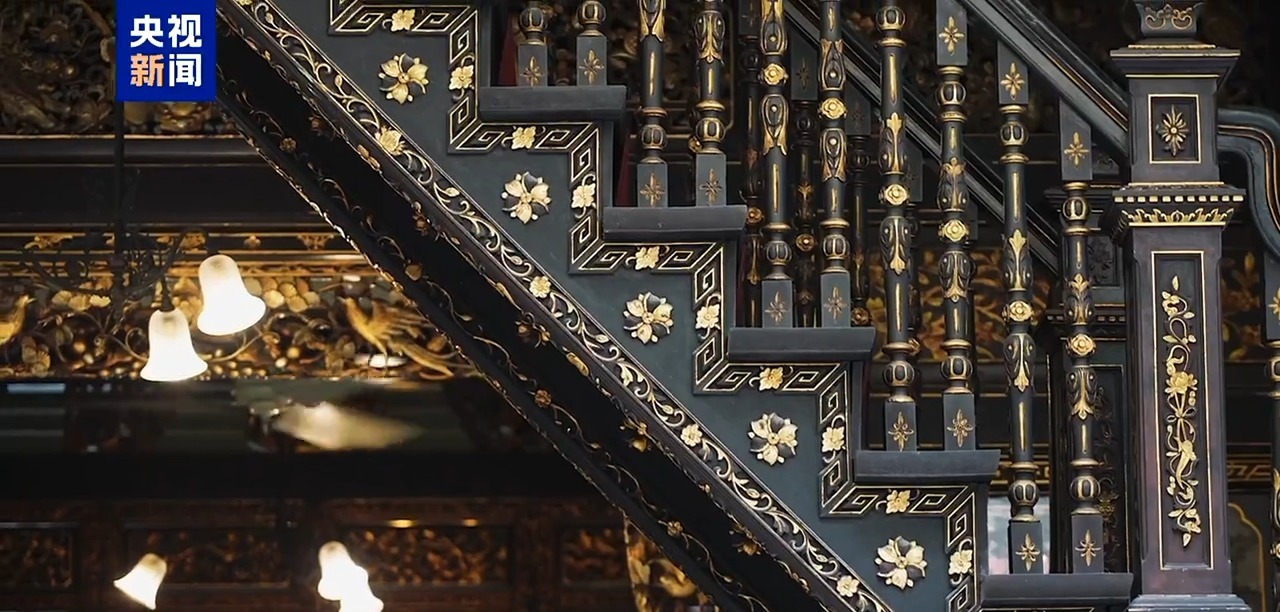
Located in the Baba Nyonya Historic Museum in Malacca, it originated from the Nyonya family in the second half of the 19th century. This mansion retains the layout of a Chinese courtyard, focusing on ventilation and natural lighting. The house is equipped with European-style floor tiles and ebony furniture inlaid with Fritillaria. The Nanyang pattern painted in gold foil is covered with the bottom of the stairs. As one of the most core areas of the Nyonya family, the kitchen often retains unique recipes that are only passed down between generations of women in the family.
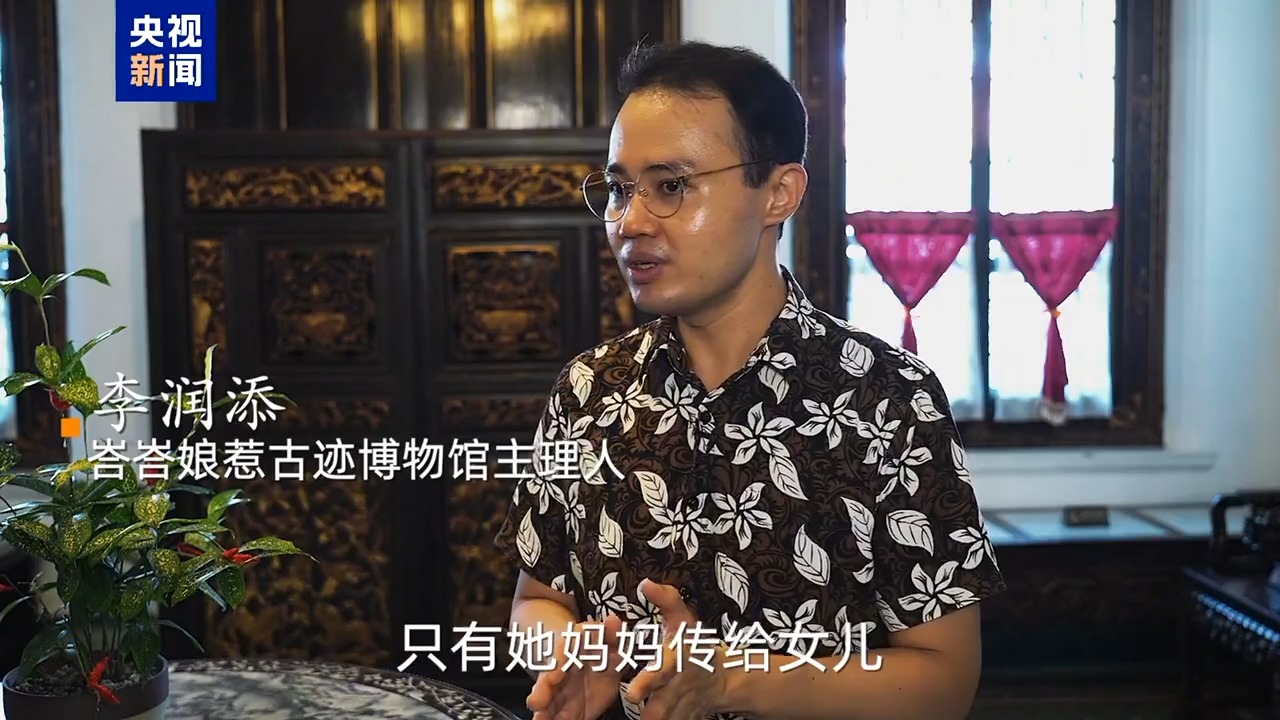
The manager of Baba Nyonya Ancient Museum Li Runtian: The secret recipe of family traditions is never passed down. The mother passed it to her daughter, and the mother learned it from her mother-in-law. This is passed down from generation to generation, and the Nyonya family has many of these little secret recipes. I am the fifth generation of Baba in Malacca. In my generation, I sent my children to Chinese primary school (Malaysian national Chinese primary school). It can be said that the younger generation of Baba Nyonya can speak Chinese.
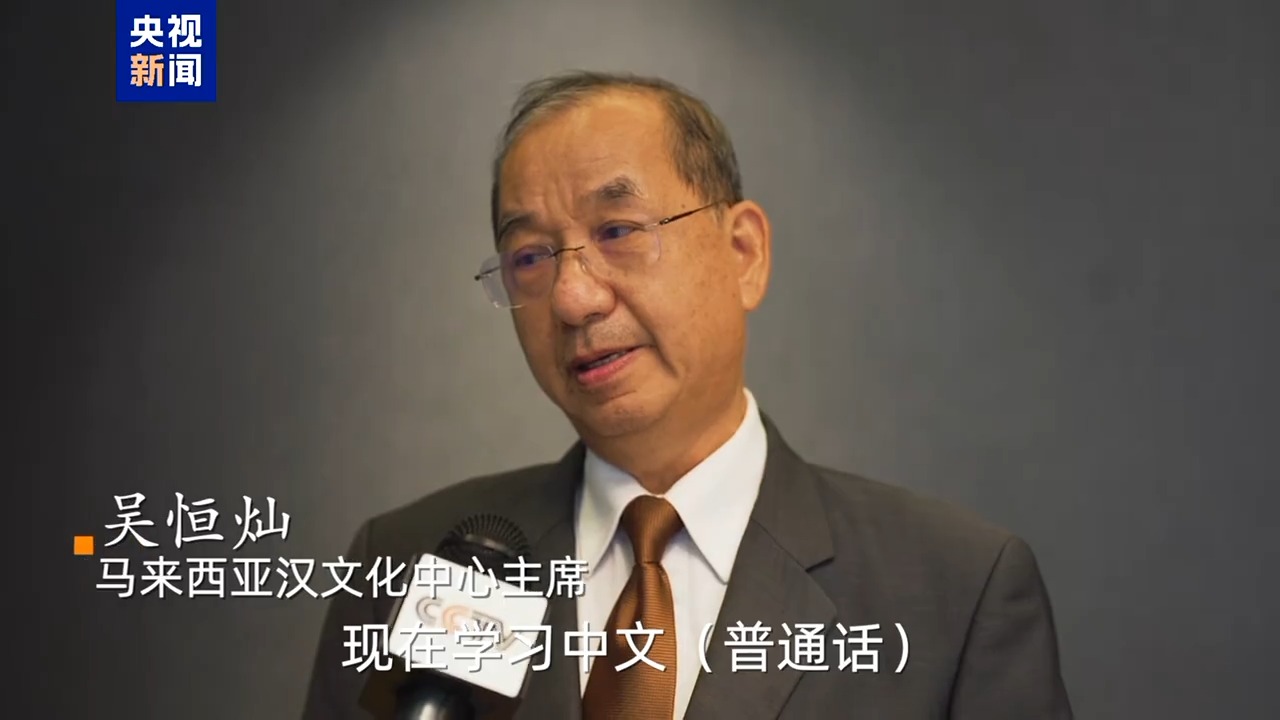
Chairman of the Malaysian Chinese Cultural Center Wu Hengcan: Learning Chinese (Mandarin) now has become a very fashionable thing in the Malay community. At the national Chinese primary school in Malaysia, nearly 23% of non-Chinese students have learned Chinese. Learning Chinese does not mean forgetting the native Malay language, Malay is still important. The two promote each other and are of great significance to the younger generation.
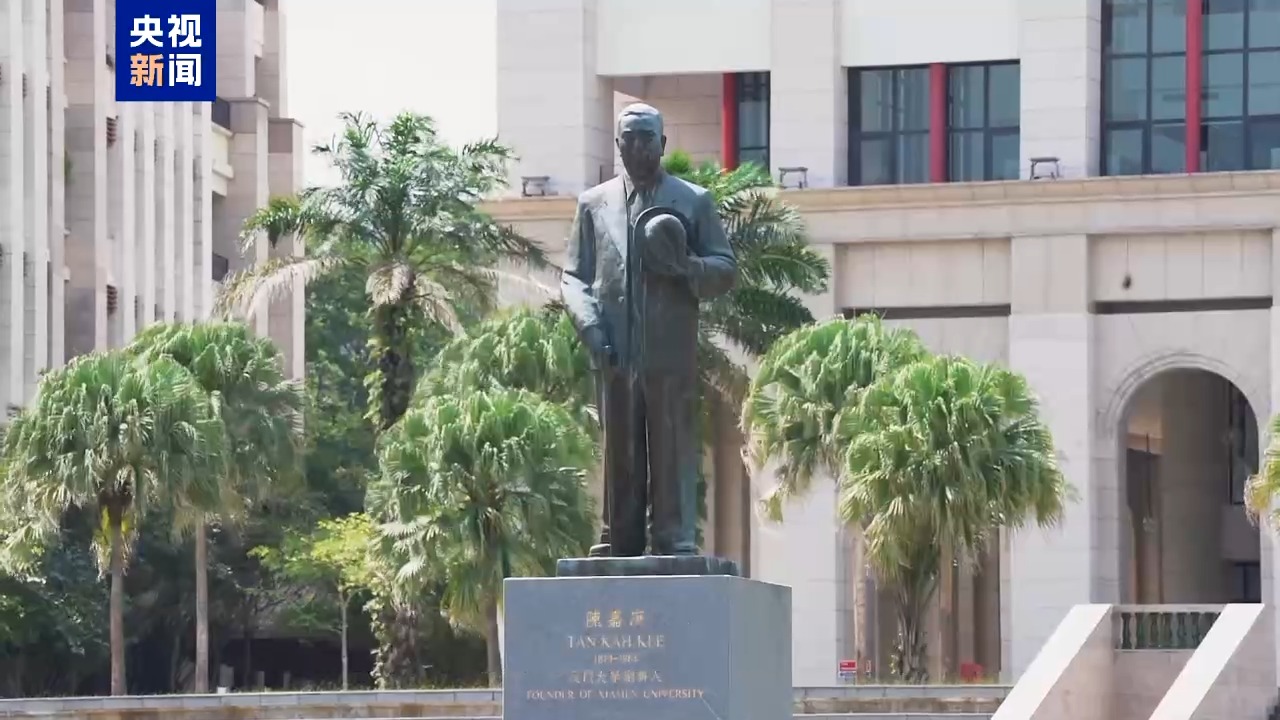
Nyonya pearl-embroidered shoes walk through the century-old Red House Square, from Zheng He's voyage to the West to China and Malaysia, sending students from each other, giving each other two-way opening to facilitate visas. China and Malaysia continue to carry out cultural exchanges in many aspects such as university cooperation, tourism development, giant panda protection, and the application for the "liu dance" project. The integration of civilizations has never been a choice that is either one or the other, but "you are me and I are you". The people's hearts are connected and passed down from generation to generation.
Producer丨Cao Yi Li Feng Liao Li
Planning丨Zhai Lei He Zhijin
Reporter丨He Zhijin Wu Jiaozhe Yan Shu
Photography丨Huang Yaozu Shen Junxing