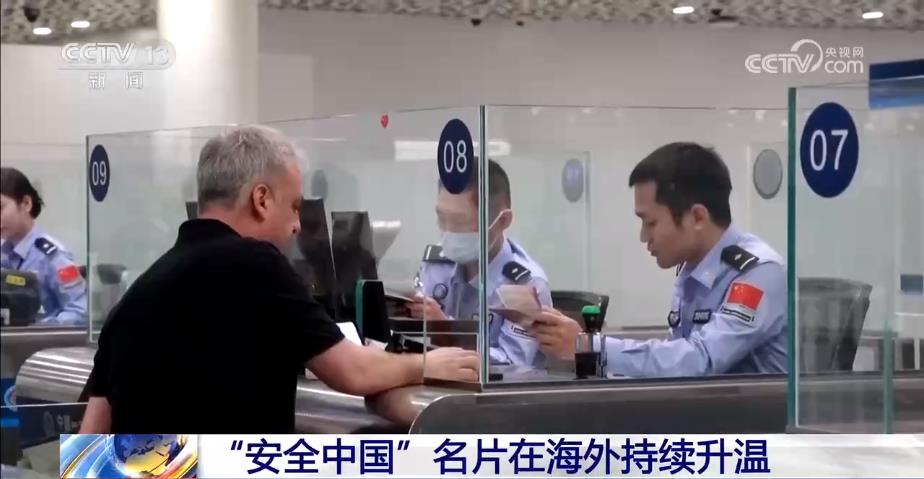
CCTV News: Data from the National Bureau of Statistics shows that in 2024, China's population aged 60 and above was about 310 million, accounting for 22% of the national population, of which more than 220 million people aged 65 and above. Faced with such a large group of elderly people, in December last year, the State Council issued the "Opinions on Deepening the Reform and Development of Elderly Care Services" and proposed to develop the travel and residential elderly care market and develop new business formats such as health care and residential care according to local conditions.
Travel and nursing refers to the elderly living in a place for a period of time, truly experiencing local life, enjoying healthy health, special food and cultural experience. This slow-living travel method is now very popular among the elderly. In 2024, Beidaihe, a small town with a registered population of only 98,700, welcomed 678,000 health care people, which also attracted more institutions to join. Even in the off-season of tourism, there were not many people.
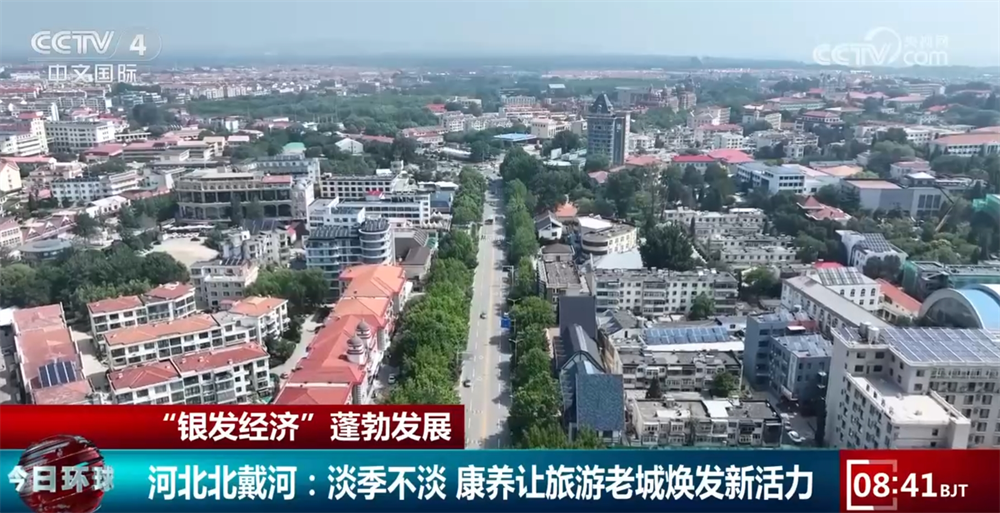
The diverse activities have enriched the social life of the elderly and made this one-stop health care service of "food, accommodation, transportation and travel" very popular.
Spring is in full bloom, and this travel and nursing home in Hangzhou, Zhejiang has ushered in the peak of check-in. More than a dozen elderly people from Hubei proposed that they would help organize a hiking activity.

In order to serve the elderly well, not only meet the aunts' needs for taking beautiful photos, but also ensure lunch breaks. Liu Shanshan, the butler of the elderly care community, set up the spot for 3 days.
In order to better serve the elderly in traveling, Hangzhou City continues to strengthen the construction of elderly care talents such as elderly care workers, nurses, and volunteers, and establish long-term care insurance and integrated property services and other resources.
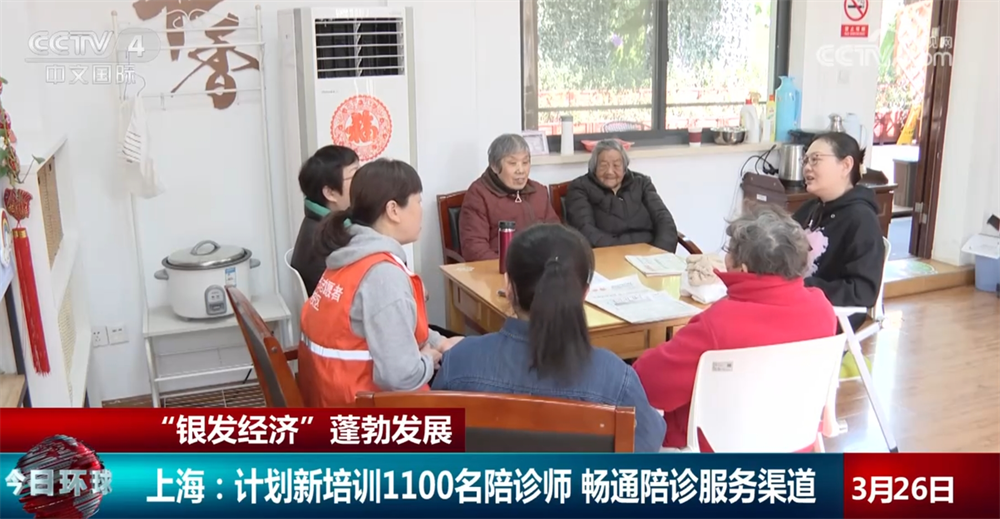
The registered elderly population in Shanghai has exceeded 5.68 million, of which more than 300,000 are elderly people living alone. "Inconvenience, inability to understand, and not know" when seeing a doctor has become a problem that has troubled many elderly people. In the past two years, the rapid development of accompanying medical services has greatly solved the worries of the elderly. Currently, there are more than 1,500 accompanying clinicians in Shanghai who have been trained and certified, but there is still a certain gap from social demand. To this end, the Shanghai Civil Affairs Bureau and Shanghai Open University jointly organized a clinician training activity, and planned to train 1,100 clinicians in 11 districts.

Shanghai Municipal Civil Affairs Bureau stated that it is also necessary to combine the distribution of the elderly population and medical resources in each pilot jurisdiction to explore diversified paths such as "institutional consultation + community collaboration" and "public welfare services + market supplement"; establish a service evaluation and risk prevention mechanism to better protect the rights and interests of the elderly and the occupational safety of accompanying patients, and promote the healthy development of the industry.