CCTV News: On March 25, the State-owned Assets Supervision and Administration Commission of the State Council held a media briefing meeting on "Artificial Intelligence +" of central enterprises. The reporter learned from the meeting that central enterprises have achieved positive results in key areas of the artificial intelligence industry such as applications, computing power, data, and models.
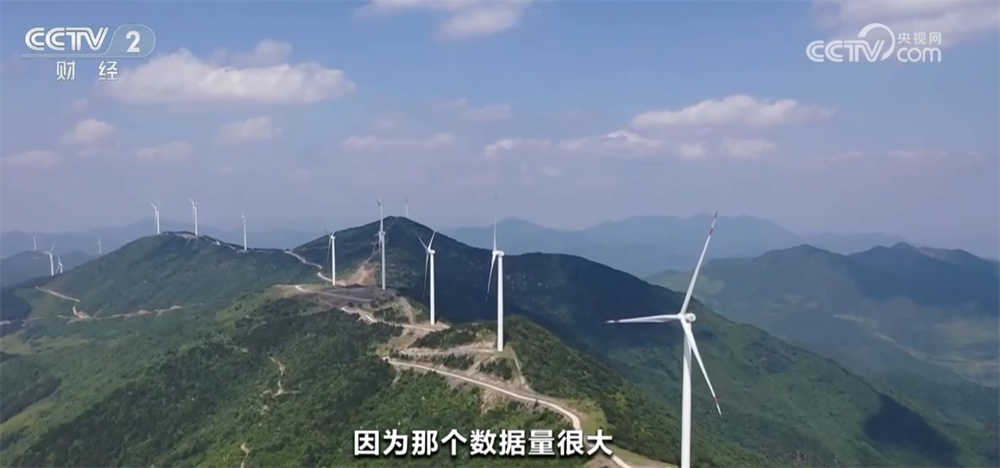
In the past, new energy power generation "rely on the weather for food". Now power companies are focusing on the needs of digital and intelligent operation and management of power systems, optimizing artificial intelligence algorithm models, and promoting the problem of reliable power supply brought about by the development of new energy.
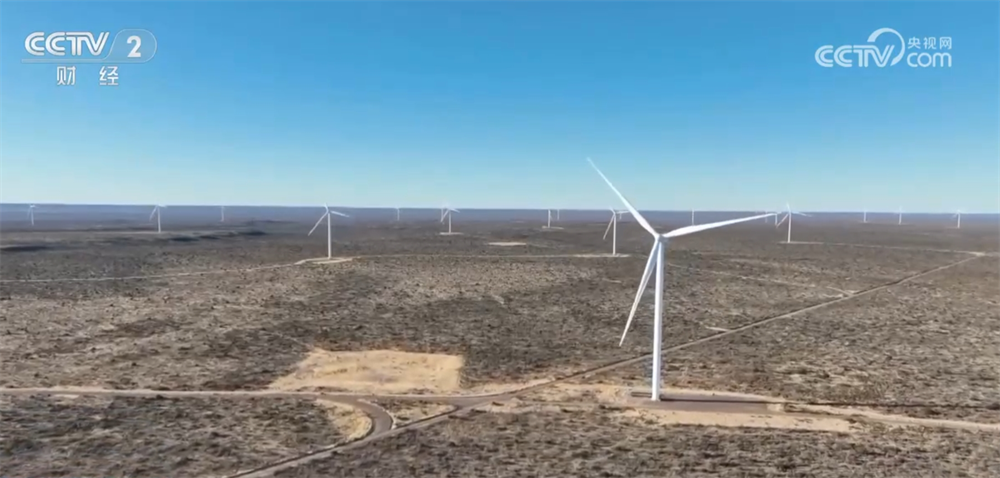
State Grid Deputy General Manager Chen Guoping said: "We and the National Meteorological Administration have some very good scientific research cooperation projects for the prediction of wind and light power. Because the data is large, it is to convert the changes in the atmosphere into the laws of meteorology and then convert the power of wind and light."
In the field of rail transit equipment, central enterprises are also increasing the research and development and application of artificial intelligence.
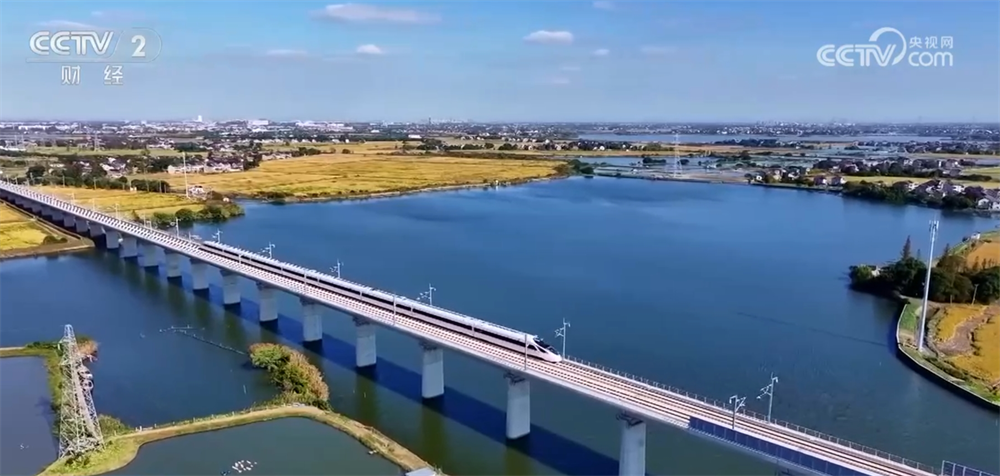
Liu Ke'an, vice president of CRRC Group, said: "Aerodynamics should be said to be a key to high-speed rail. In the past, we used simulation to calculate aerodynamics, which was time-consuming and labor-intensive, and also required professionals to do it. We used artificial intelligence modeling, so that it would be shortened from the original one day to within 10 seconds of simulation of a scenario."
In addition, the mobile communications industry is also using artificial intelligence technology to expand its business fields and empower industries such as industrial Internet, education, and medical care.
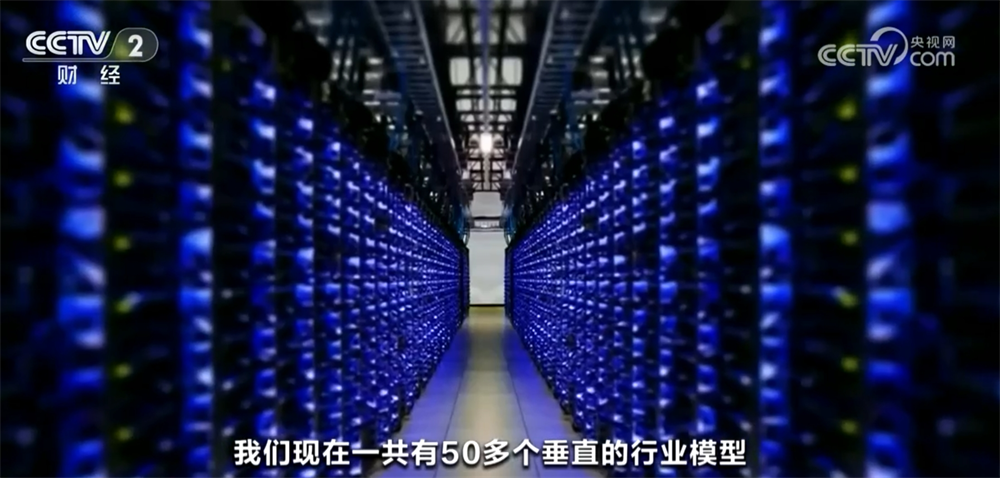
Shi Fan, deputy general manager of China Telecom Science and Technology Innovation Department, said: "In the fields of digital governance, digital economy and digital livelihood, we now have more than 50 vertical industry models, serving more than 1,600 typical industry customers."