CCTV News: Not only is the application scenarios becoming more and more abundant, but the progress of artificial intelligence is also getting faster and faster. During the Chinese New Year, they were just amazed by humanoid robots dancing yangko. In just one month, they had learned to play Tai Chi, side flip, and ride bicycles. You know that before humanoid robots take up their posts, they can go to a "school" to study.
Robot "Skills School" Distributes "classrooms" in different jobs
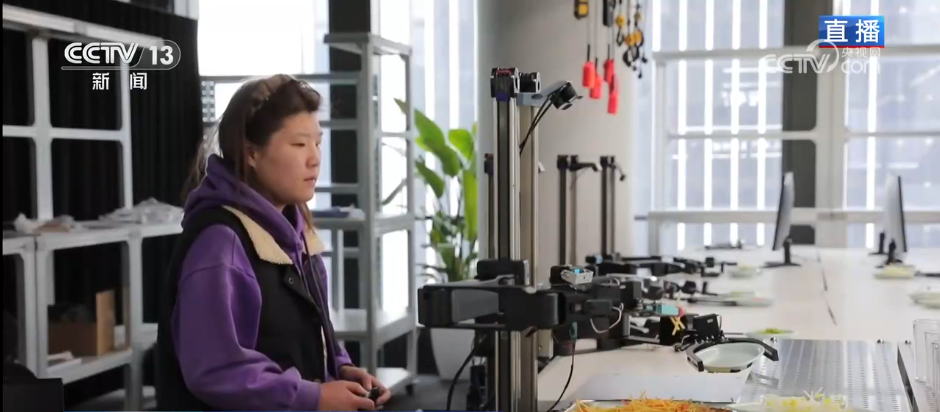
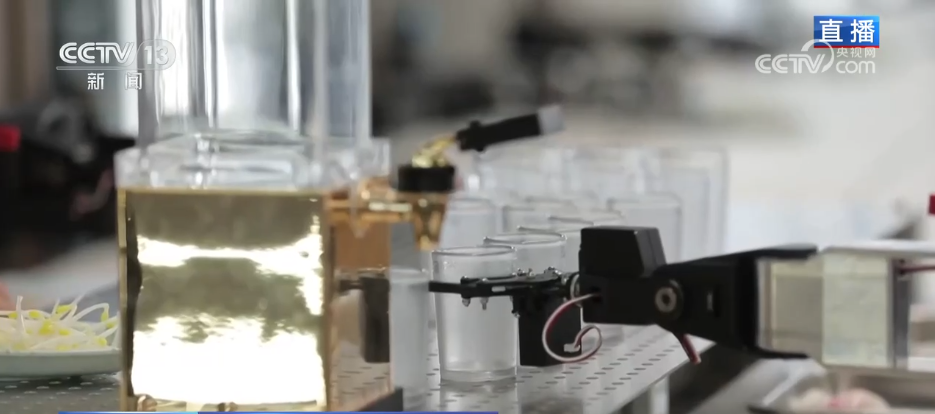
The reporter came to the National and Local Humanoid Robot Innovation Center in Zhangjiang, Pudong, Shanghai, which is also the core area of the first heterogeneous humanoid robot training ground in the country. What is a heterogeneous humanoid robot training ground? In other words, this place is actually like a robot "skill school". There are more than 100 humanoid robots from different companies, scattered in the "classrooms" of different jobs to receive deep learning and training. The more data the trainer enters and the longer the training time, the robot can continue to optimize.
Fine movement training can complete simple tasks
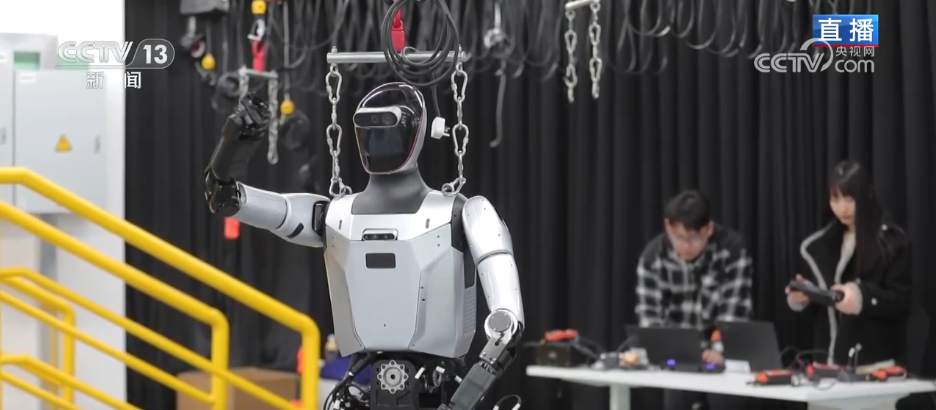
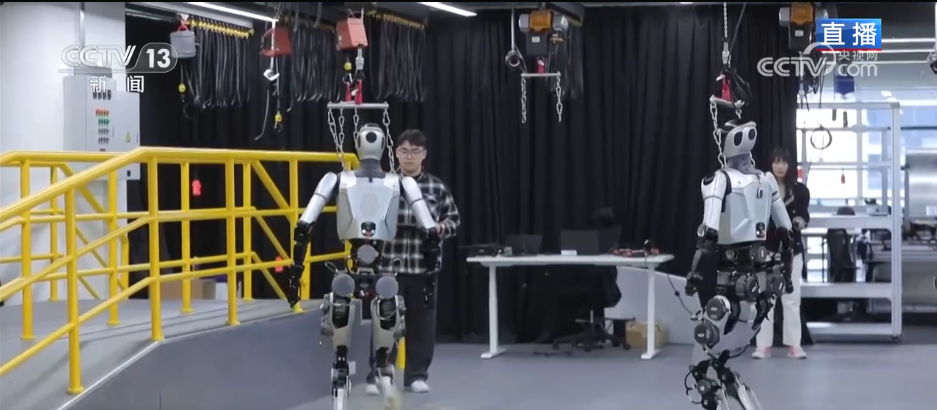
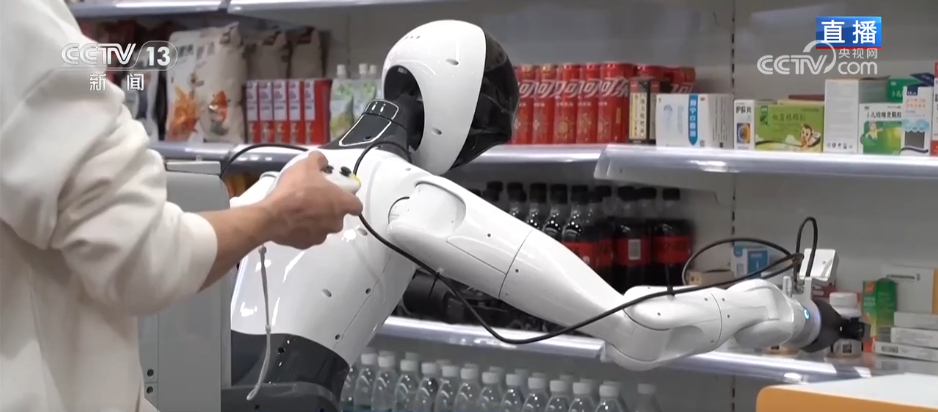
You can see that there are several robots behind the reporter, and they are training some fine movements. You see, some can already fold clothes, and some can also organize the desktop and sort the medicine. The staff told reporters that many humanoid robots here can complete tasks such as walking, running and jumping, crossing obstacles, going up and down stairs, and moving items, but they also need to conduct special "development" here to unlock more new skills, with the purpose of putting them into the market in the future and adapting to the diverse workplace roles.
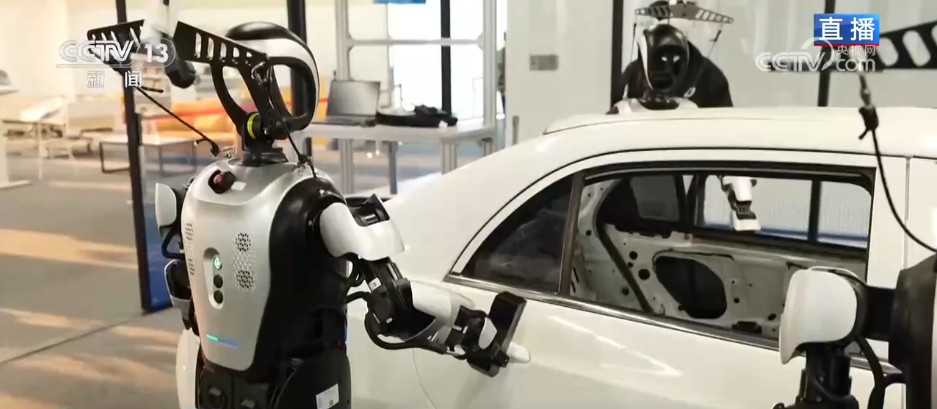
Some viewers may ask, robots are so powerful, can they enter thousands of households immediately? Experts say it's not that simple. Like humans, robots must first learn to walk and control their limbs, and then conduct customized training. Robots need to constantly learn, update and iterate to extend more complex operational capabilities and ultimately put them into practical applications. With the acceleration of technology, the industry predicts that humanoid robots are expected to achieve generalization and universalization from industrial to home scenarios in the future, and special operating environments such as urgent, difficult, and dangerous and heavy will become the first application scenarios for humanoid robots to be implemented, and it will take quite a while to enter the home.
Accelerate training of robots to do tasks in different scenarios
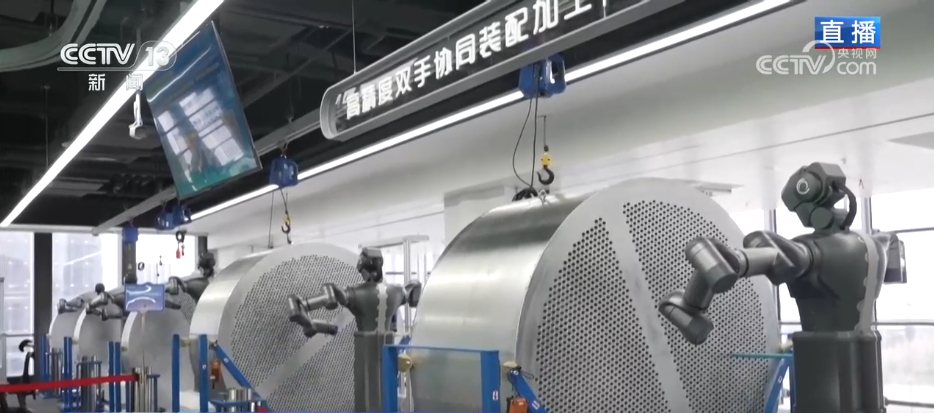
Speaking of application scenarios, the training ground is also accelerating training of robots to complete different tasks in industrial manufacturing, scientific research, medical and other scenarios. For these robots, trainers train them through head-mounted instruments and remote controls, allowing them to imitate human movements. If they can gradually complete the cleaning task of tens of thousands of tiny holes during the cleaning of some high-precision equipment, the efficiency has also been greatly improved.
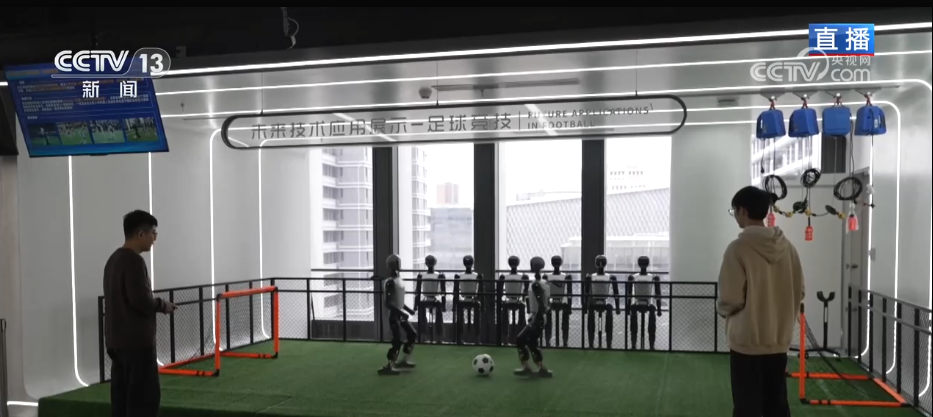
Here, the robot is playing football in a football field, of course not only for entertainment, but through the AI training of playing football, the robots can think in motion, and constantly iterate the technologies of motion control, visual perception, and intelligent strategy, making them anti-interference, faster and smarter. In the future, such accelerated evolution robots may be used in medical care, health care and other fields.
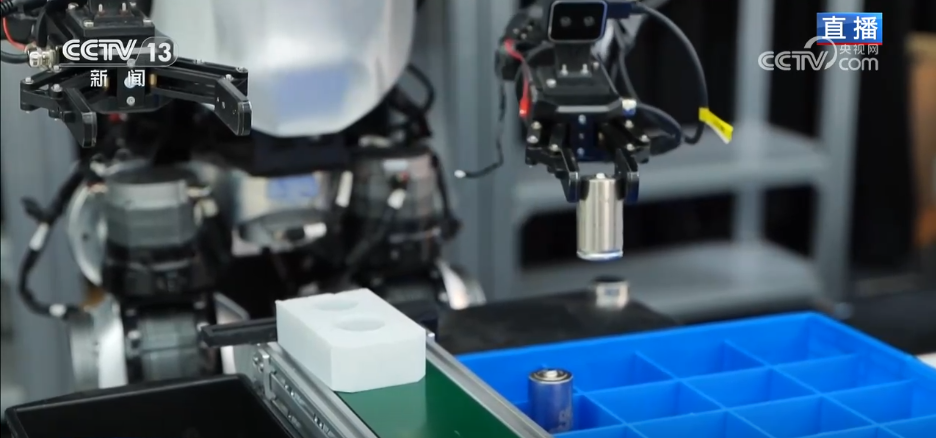
Overall, the training ground covers more than 10 scenarios in the three major areas of intelligent manufacturing, people's livelihood services and special applications.
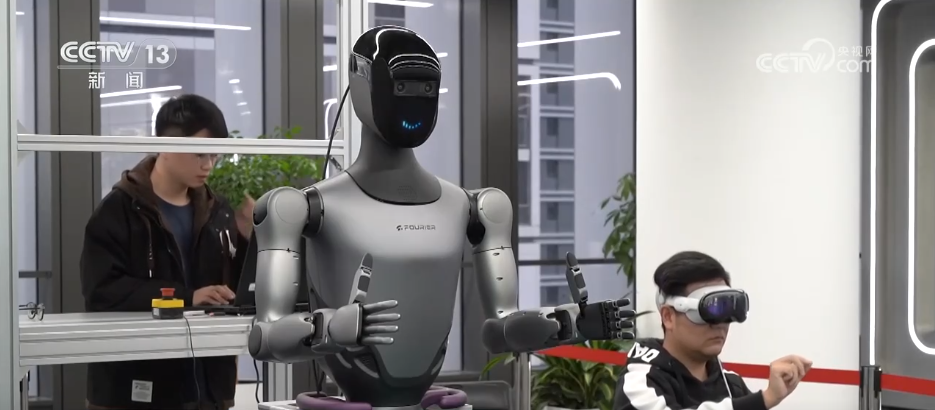
General manager of the National and Local Co-construction Humanoid Robot Innovation Center said that they jointly released the embossed intelligent simulation platform "Search on Things". It integrates a general reinforcement learning framework and model automation adaptation technology, and a set of code can cover more than a hundred different robots, which marks a key step for us. In the future, it will significantly lower the R&D threshold and accelerate the industrialization of robots. We strive to collaborate with all parties to collect 100 million pieces of data for training of humanoid robot intelligent models within one year.
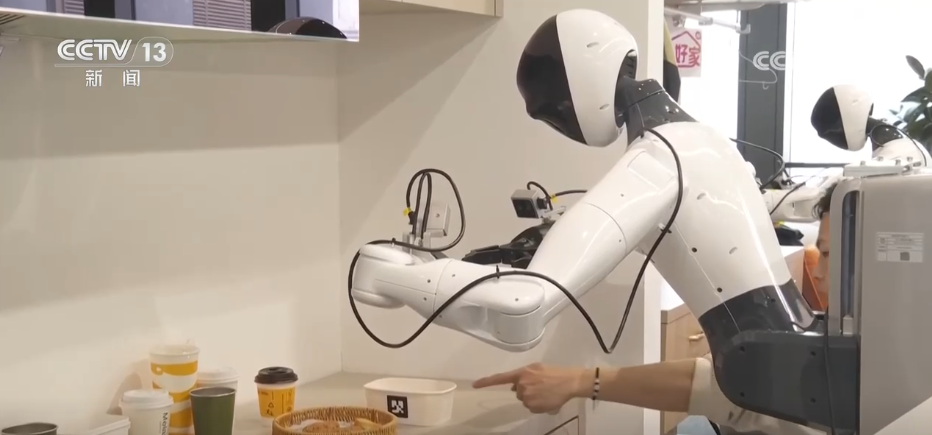
In the future, the training ground will also carry out technical cooperation and international exchanges with the Asia-Pacific region and many European and American countries in data and large models, jointly promote the innovation and development of global humanoid robot technology and promote China's intelligent manufacturing to a new height.